1877: Nicolàs Avellaneda has been in power for 3 years. Like his predecessors since the beginning of the century, he must face the incursions of the Indian tribes on the lands of the colonists located at the North of Rio Negro and its affluent Rio Neuquen.

But the situation worsens: The Indians organized in Confederations of Tribes, led by Cacique Namuncura approach Buenos Aires dangerously: somes certify “malones” (raids) particularly bloody in the towns of Tandil or Azul.

The President can not allow women and children still continue to be kidnapped, that other colonists are killed. He thus decides to raise an army to put an end to these exactions.

Alsina takes the command of it but Roca succeeds to him very quickly, achieving zealously and and with ferocity his job. At the head of 5 columns of 6000 men, he obtains fulgurating results: 1600 Indians are killed, 10000 are taken prisoners, 6 chiefs are executed, the others take refuge in the Andes and more in the South.

1880: glorified by his victories, Roca is elected President of the Republic, and completes between 1881 and 1884 what the history will retain under the name of “Campaign of the desert”.

The pacification of these vast wide opens the way to their exploration. A 22 year old naturalist named Francisco Pascasio Moreno thus discovers for the first time the imposing landscapes of Patagonia in 1874.

One year later, he returns there. His meeting with the Cacique Shaihueque enables him to be the first white man to see the Large Lake, the Nahuel Huapi.

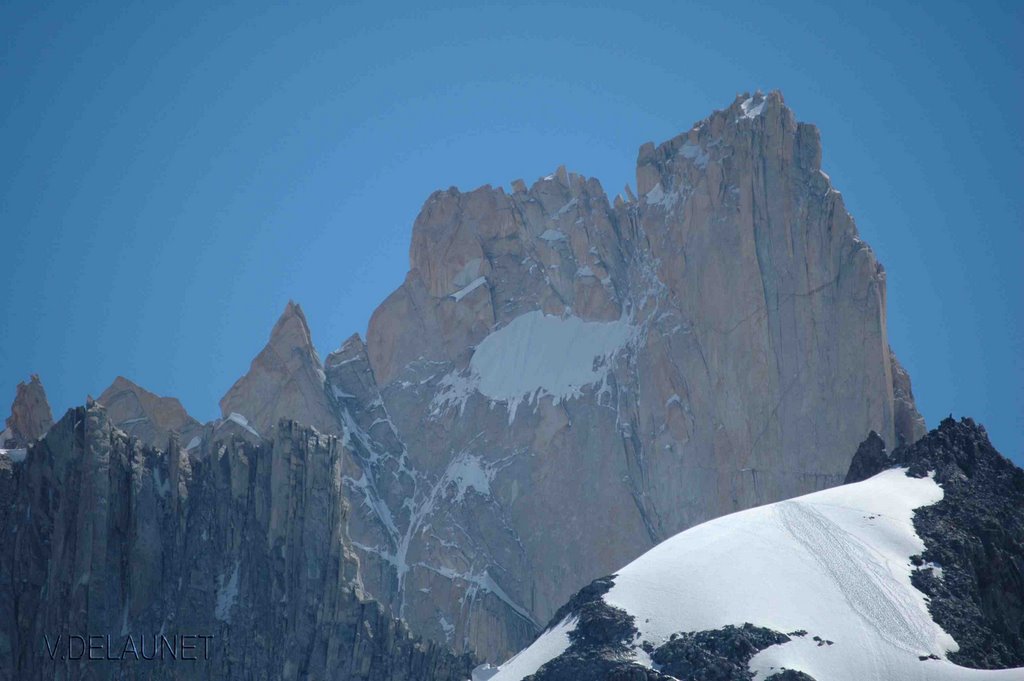
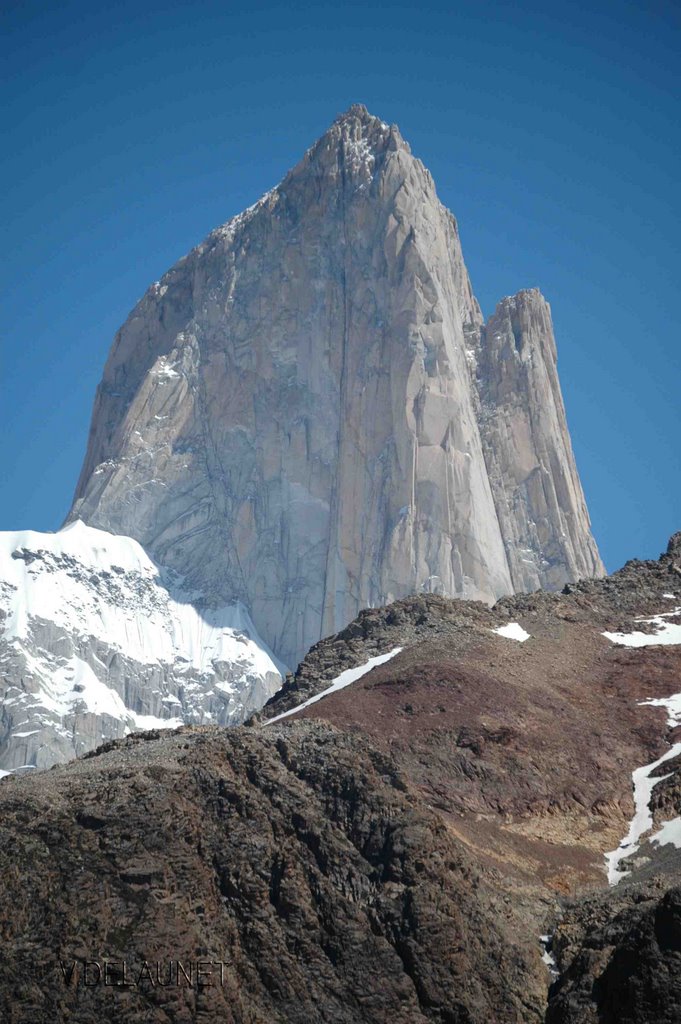
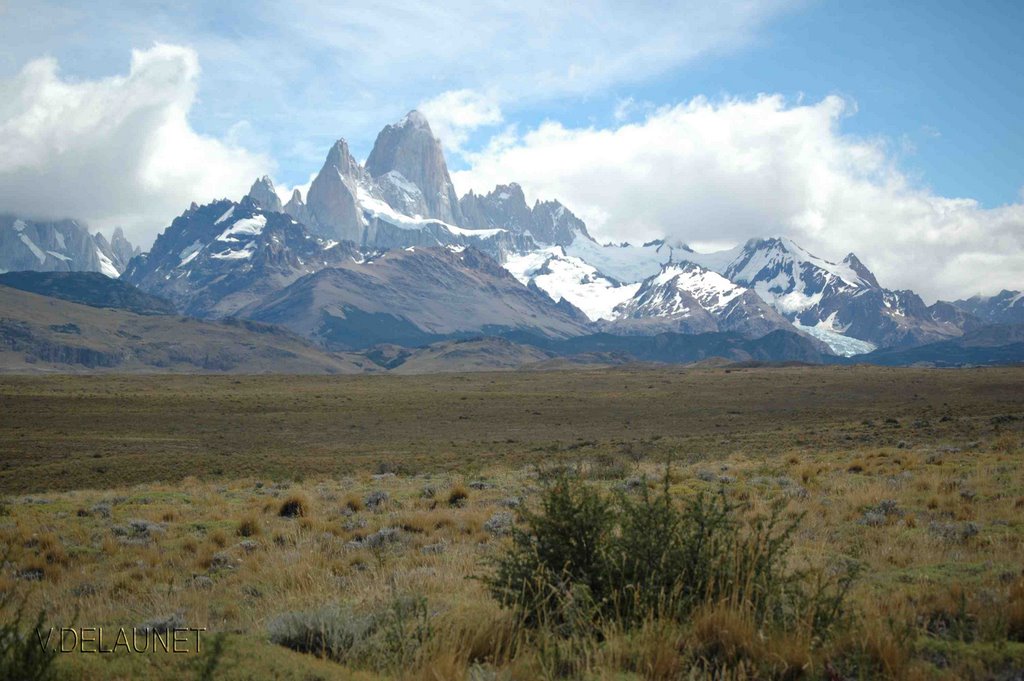
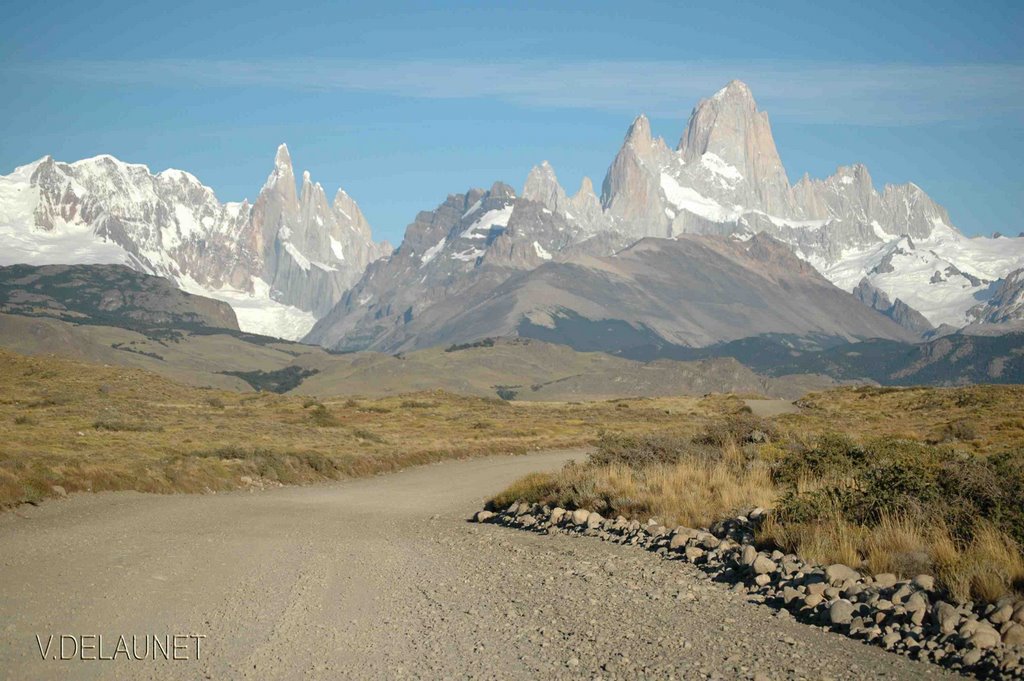
Hardly he wrote the story of his last voyage that he is off to Patagonia again: more in the South this time. He remembers the stories of sailors that he could read. He knows that somewhere in this desert vastness draws up a fabulous mountain. When he sees it a long way away, beyond lacteous blue water of the Lake Viedma, he believes that it is a volcano. He baptizes it instinctively “Fitz Roy”, of the name of the commander of the Beagle which crossed off the Chilean coasts in 1834 and who mentioned its existence in his log book.

Moreno will take many hydrographic and topographic readings of the area, will define the layout of the argentino-Chilean border. The only expanding glacier of the planet declared world inheritance of humanity,is today called after his name.
 But the situation worsens: The Indians organized in Confederations of Tribes, led by Cacique Namuncura approach Buenos Aires dangerously: somes certify “malones” (raids) particularly bloody in the towns of Tandil or Azul.
 The President can not allow women and children still continue to be kidnapped, that other colonists are killed. He thus decides to raise an army to put an end to these exactions.
 Alsina takes the command of it but Roca succeeds to him very quickly, achieving zealously and and with ferocity his job. At the head of 5 columns of 6000 men, he obtains fulgurating results: 1600 Indians are killed, 10000 are taken prisoners, 6 chiefs are executed, the others take refuge in the Andes and more in the South.
 1880: glorified by his victories, Roca is elected President of the Republic, and completes between 1881 and 1884 what the history will retain under the name of “Campaign of the desert”.
 The pacification of these vast wide opens the way to their exploration. A 22 year old naturalist named Francisco Pascasio Moreno thus discovers for the first time the imposing landscapes of Patagonia in 1874.
 One year later, he returns there. His meeting with the Cacique Shaihueque enables him to be the first white man to see the Large Lake, the Nahuel Huapi.
 Hardly he wrote the story of his last voyage that he is off to Patagonia again: more in the South this time. He remembers the stories of sailors that he could read. He knows that somewhere in this desert vastness draws up a fabulous mountain. When he sees it a long way away, beyond lacteous blue water of the Lake Viedma, he believes that it is a volcano. He baptizes it instinctively “Fitz Roy”, of the name of the commander of the Beagle which crossed off the Chilean coasts in 1834 and who mentioned its existence in his log book.
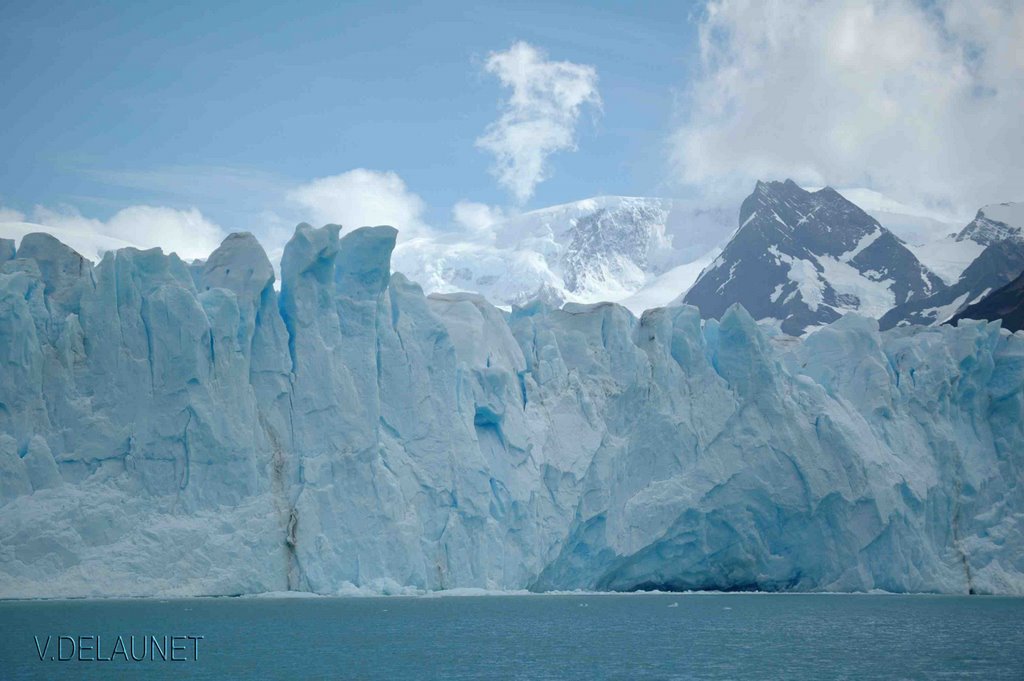
 Moreno will take many hydrographic and topographic readings of the area, will define the layout of the argentino-Chilean border. The only expanding glacier of the planet declared world inheritance of humanity,is today called after his name.