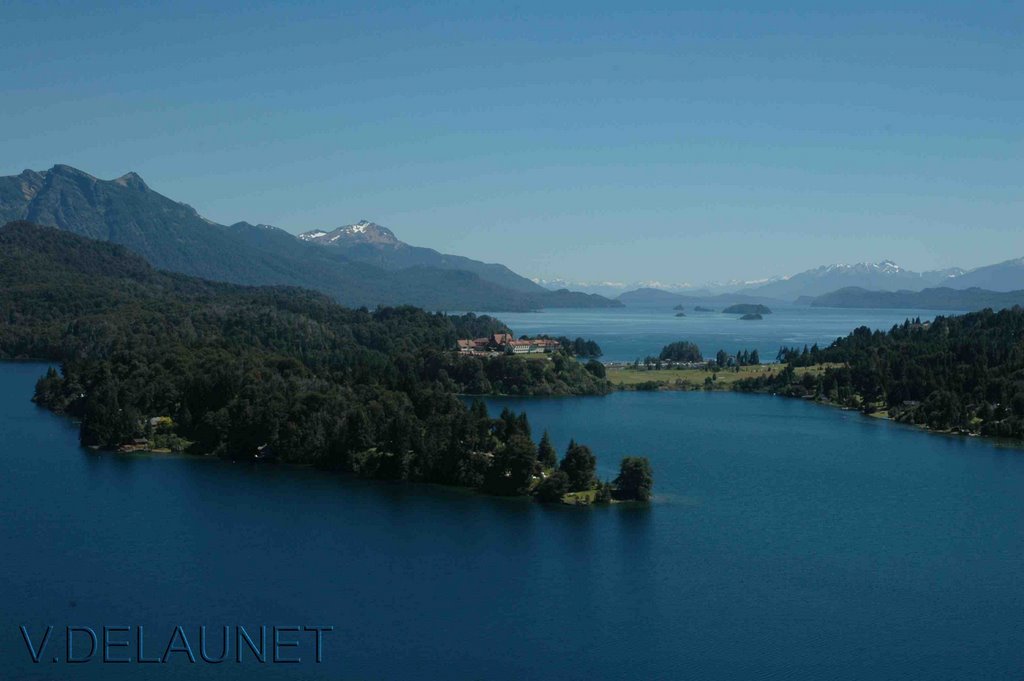
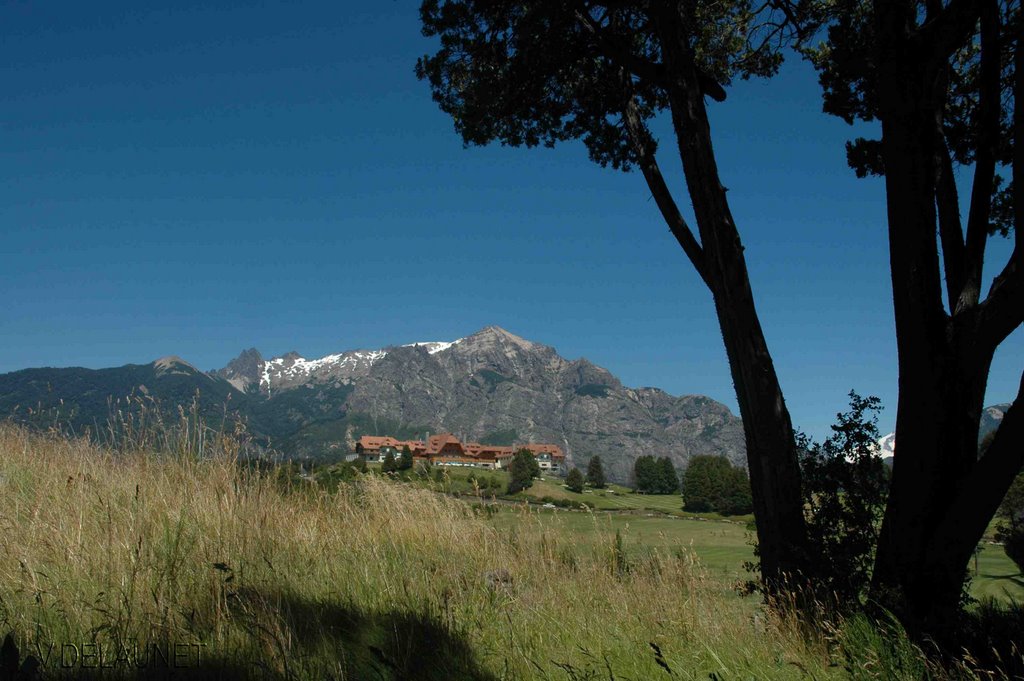
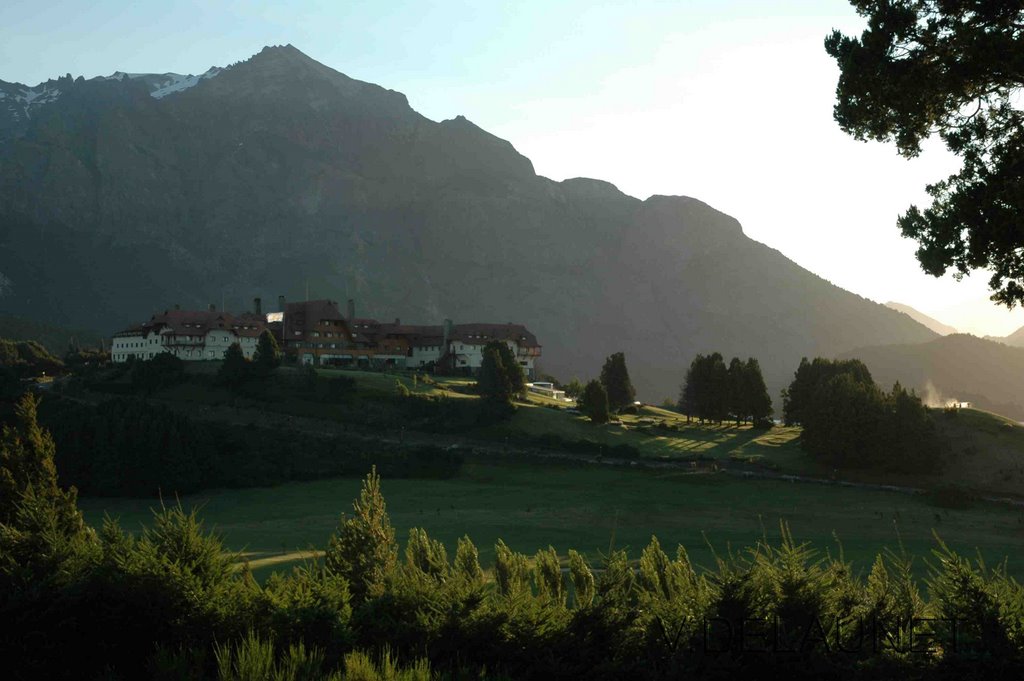
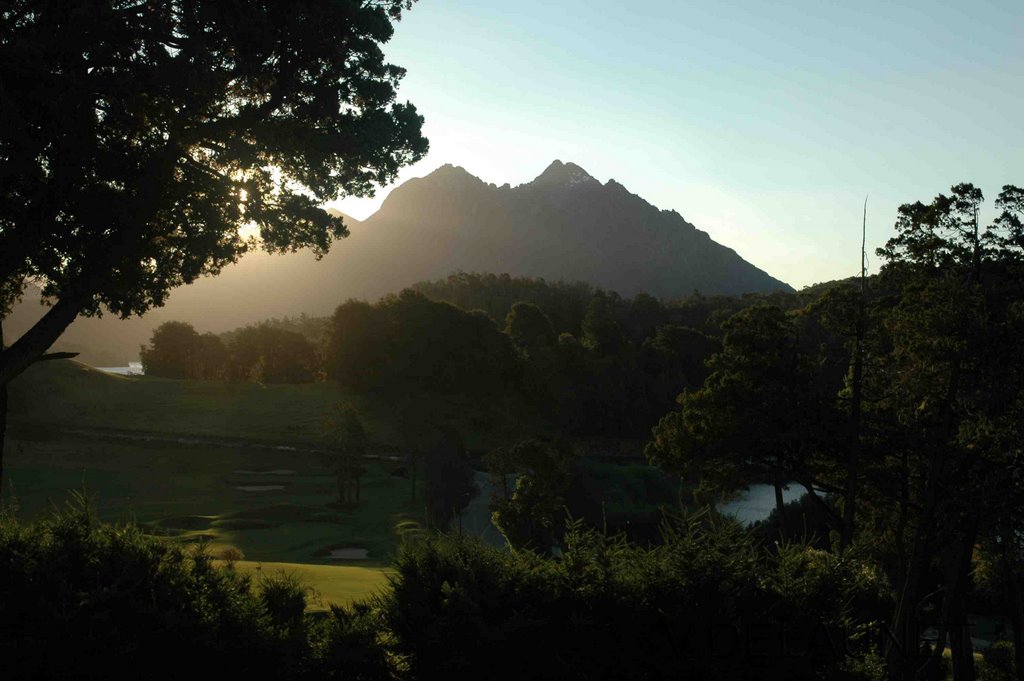
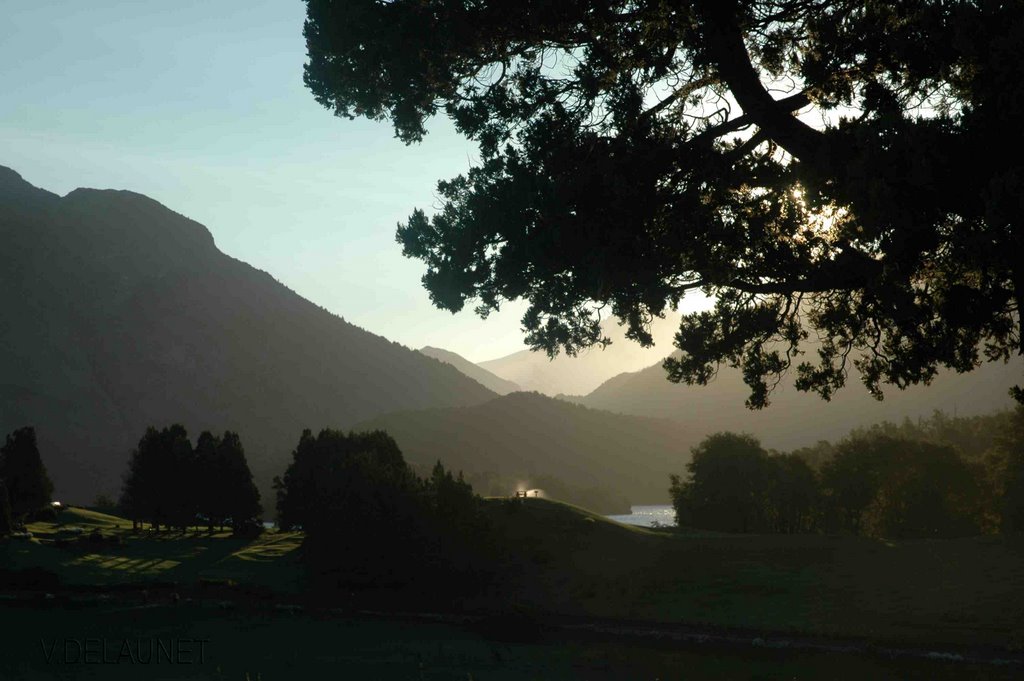
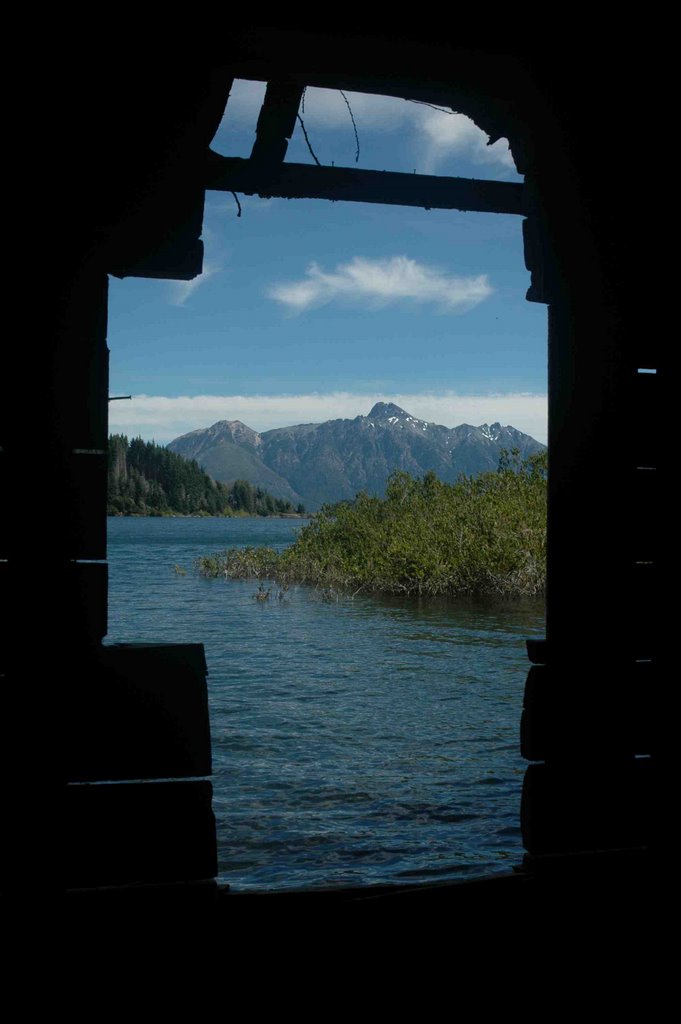
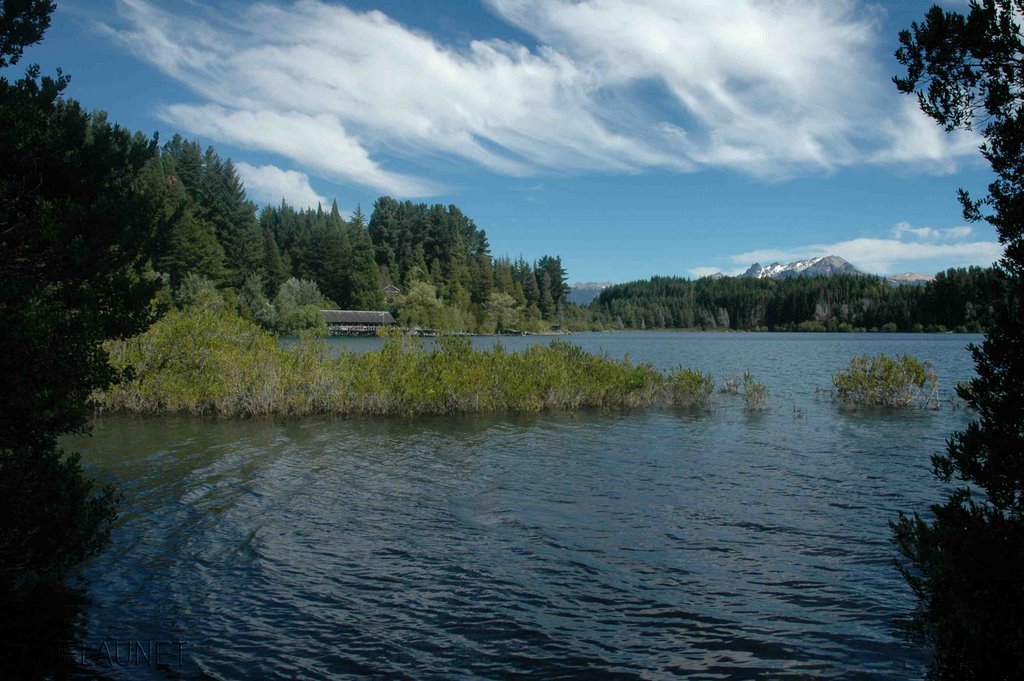
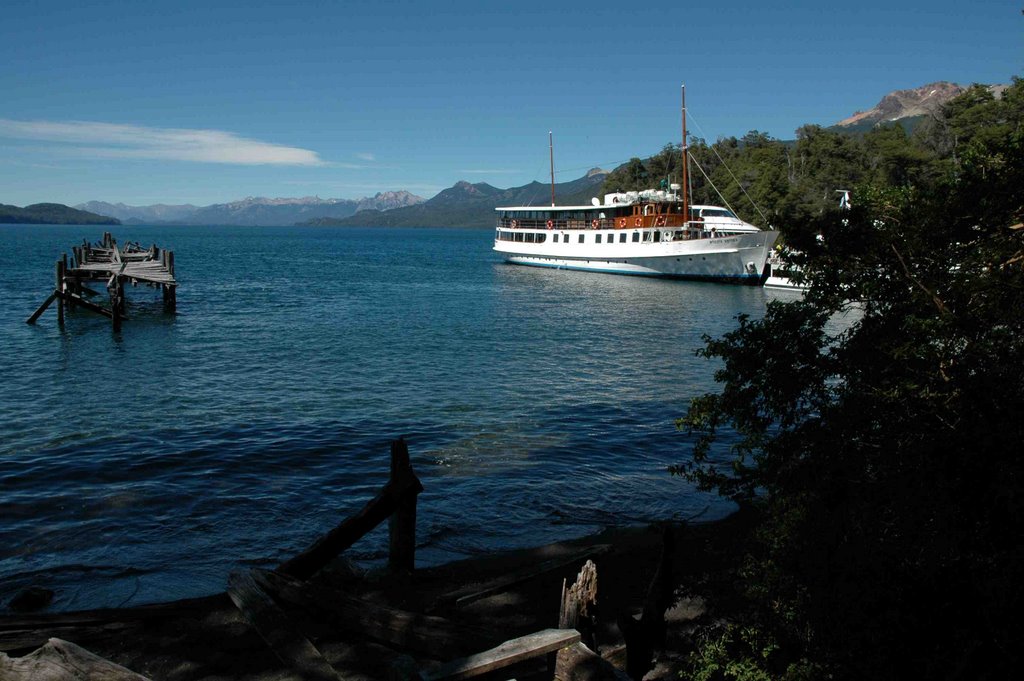
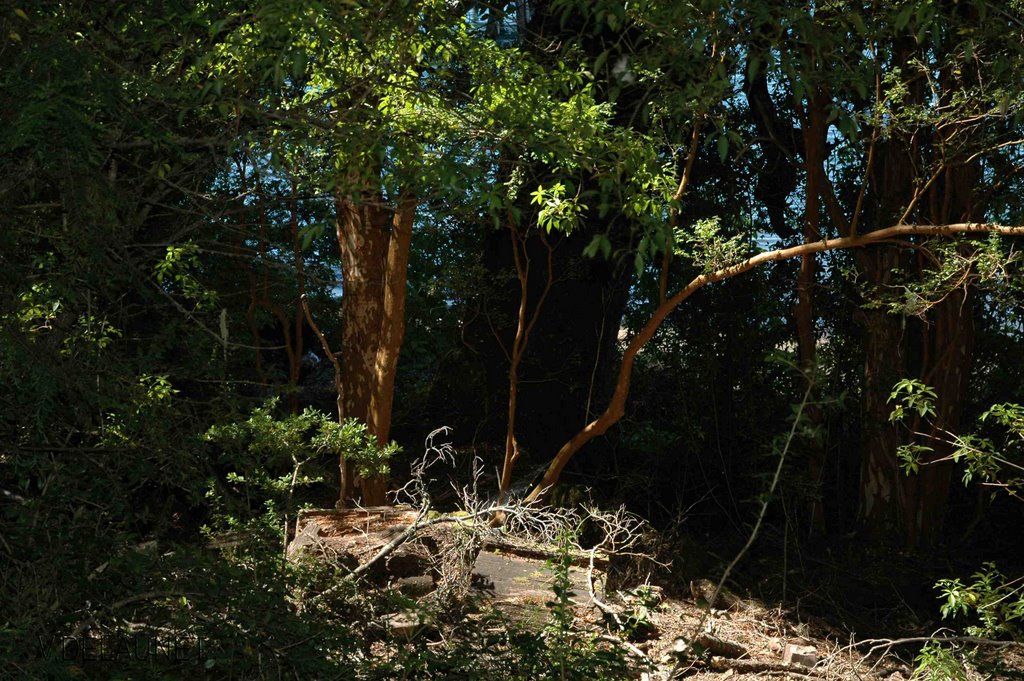
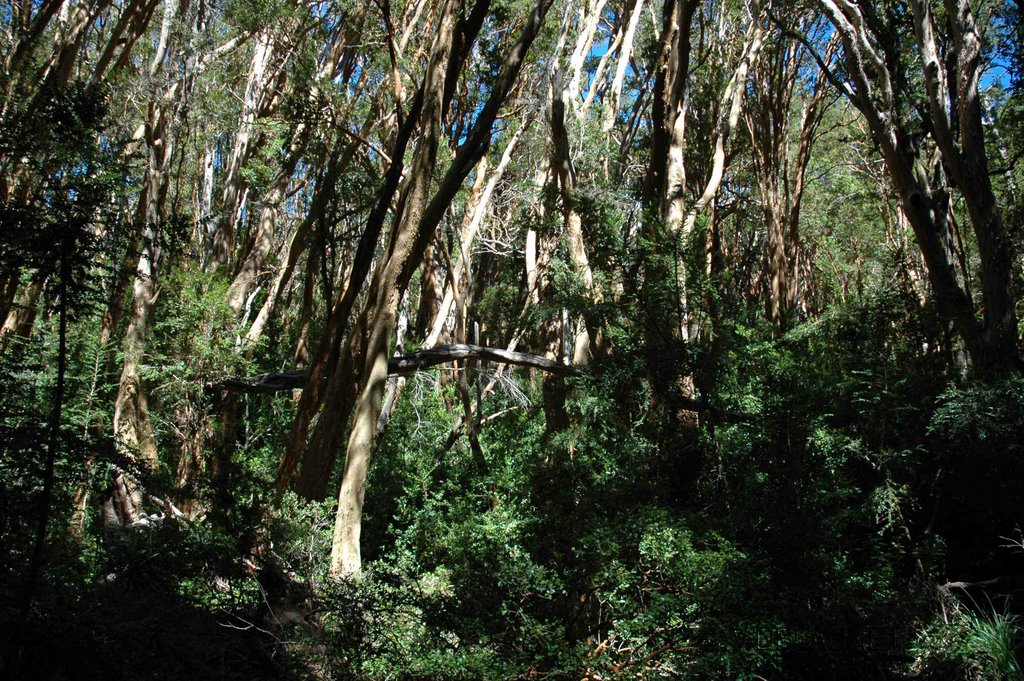
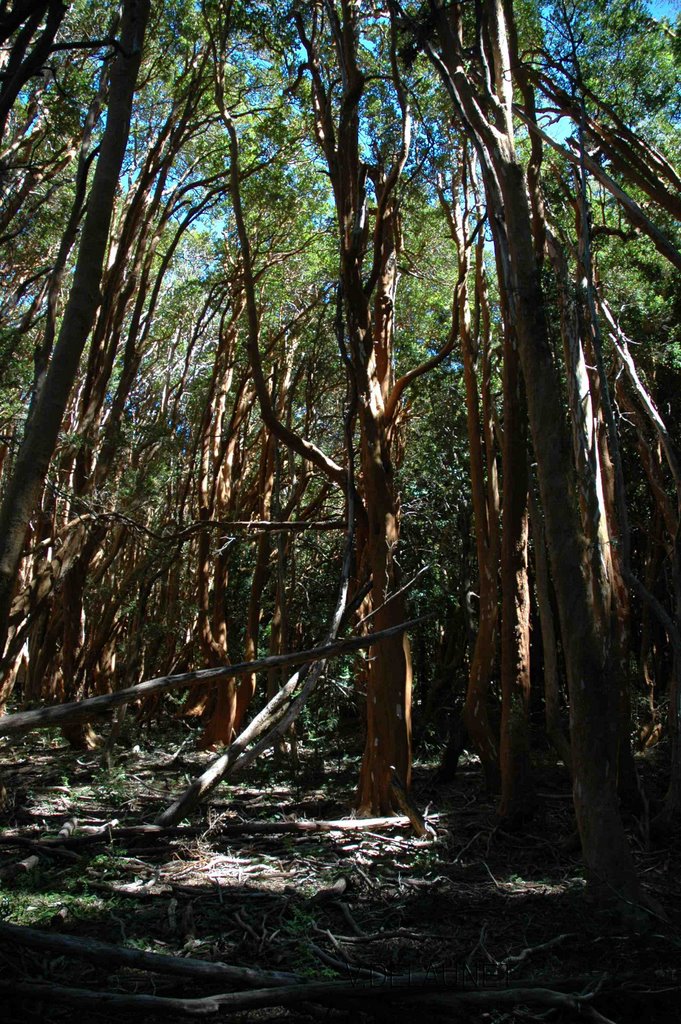
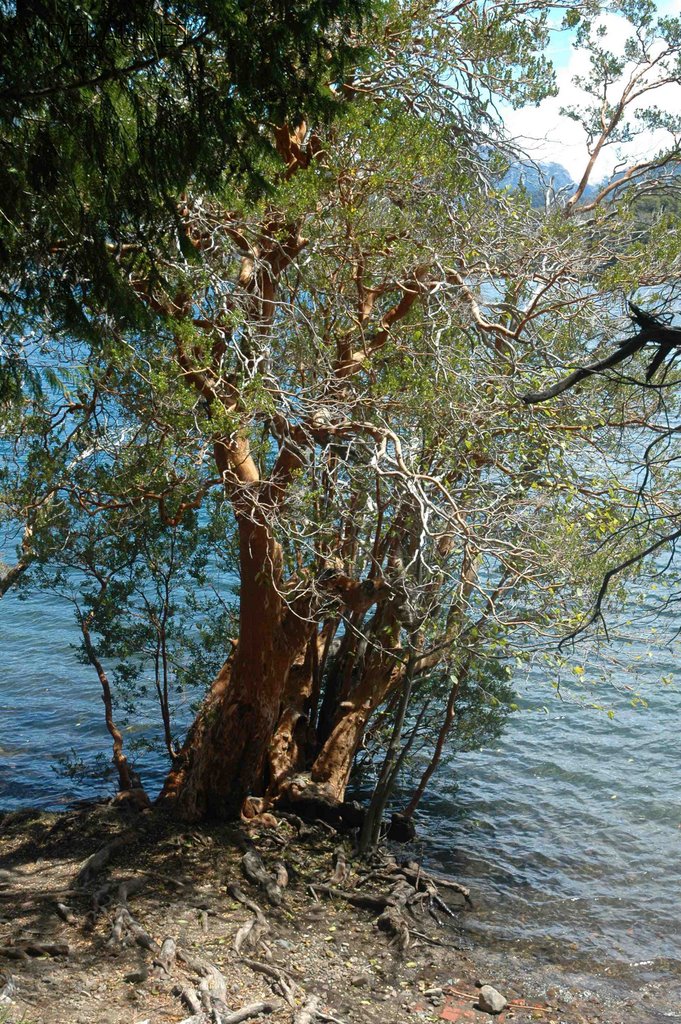
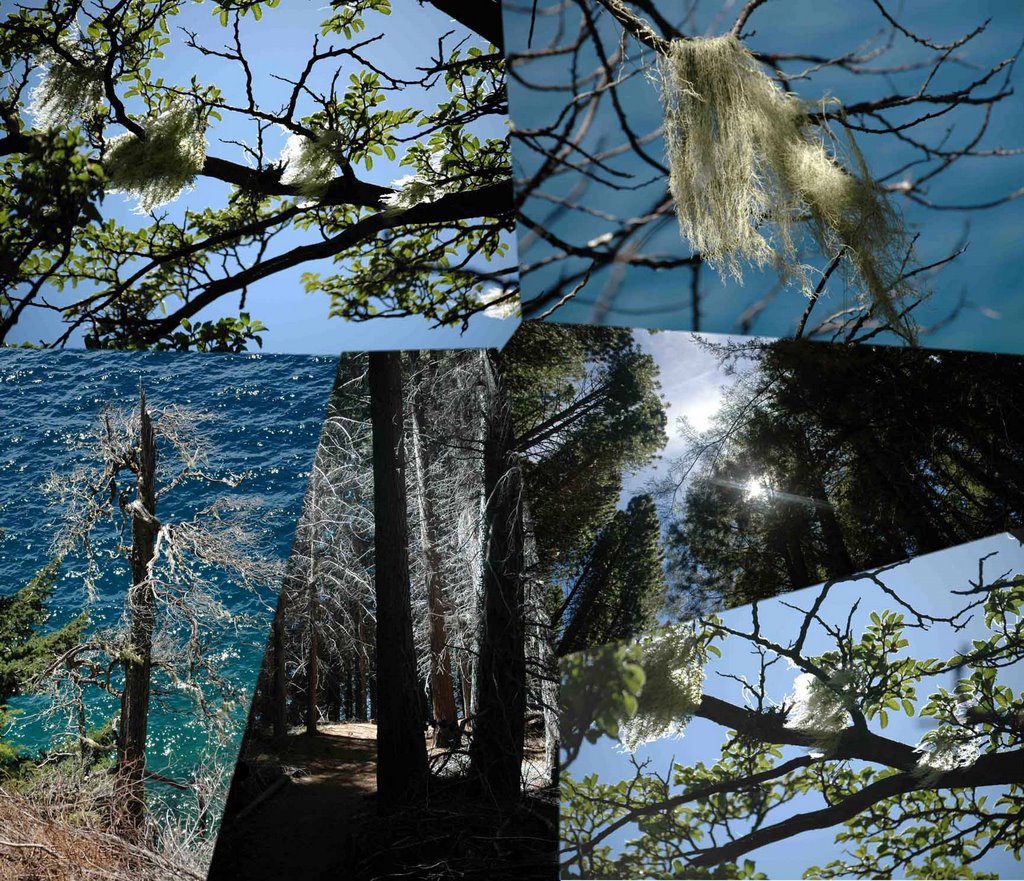
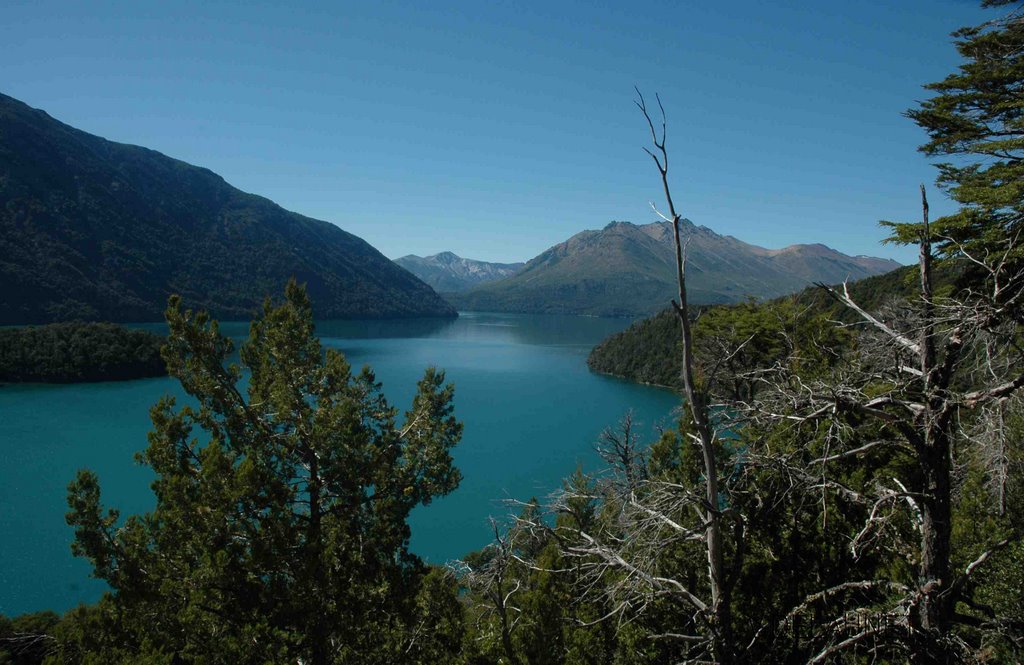
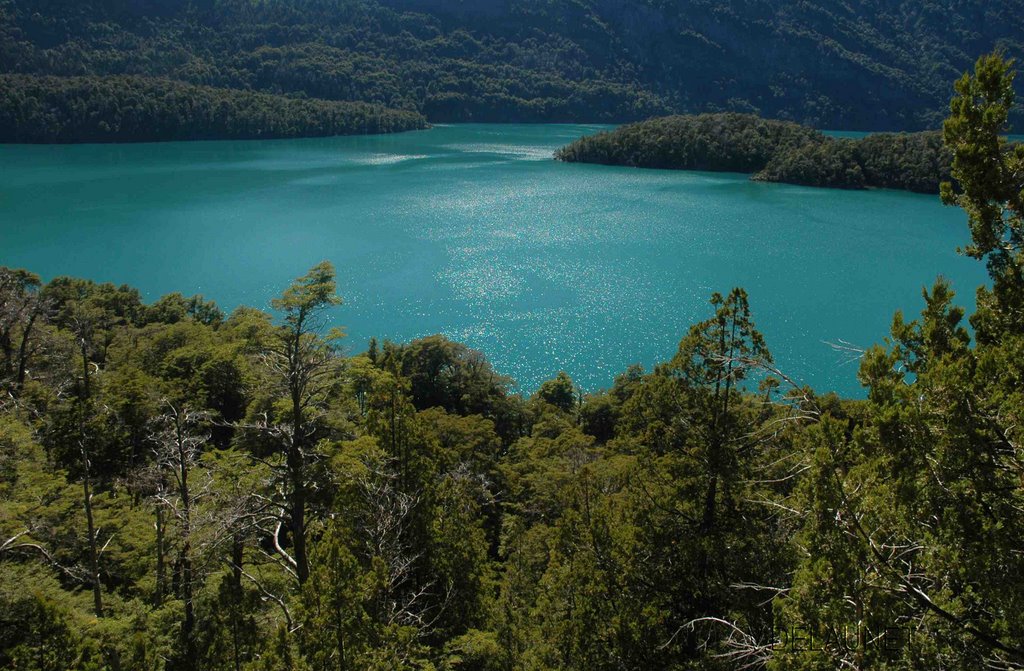
Since a long moment already, asphalt gave place to the stony and dusty track. Green water of the Mascardi lake appears at road turns. The dense forest of coihués gives a little shade and freshness in this basin protected from the western winds.


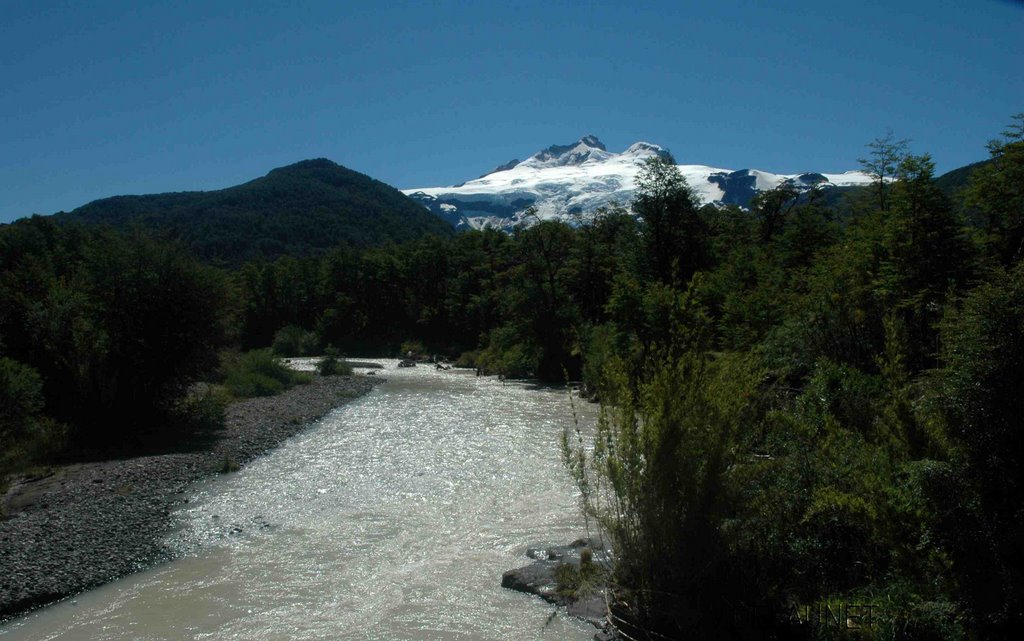
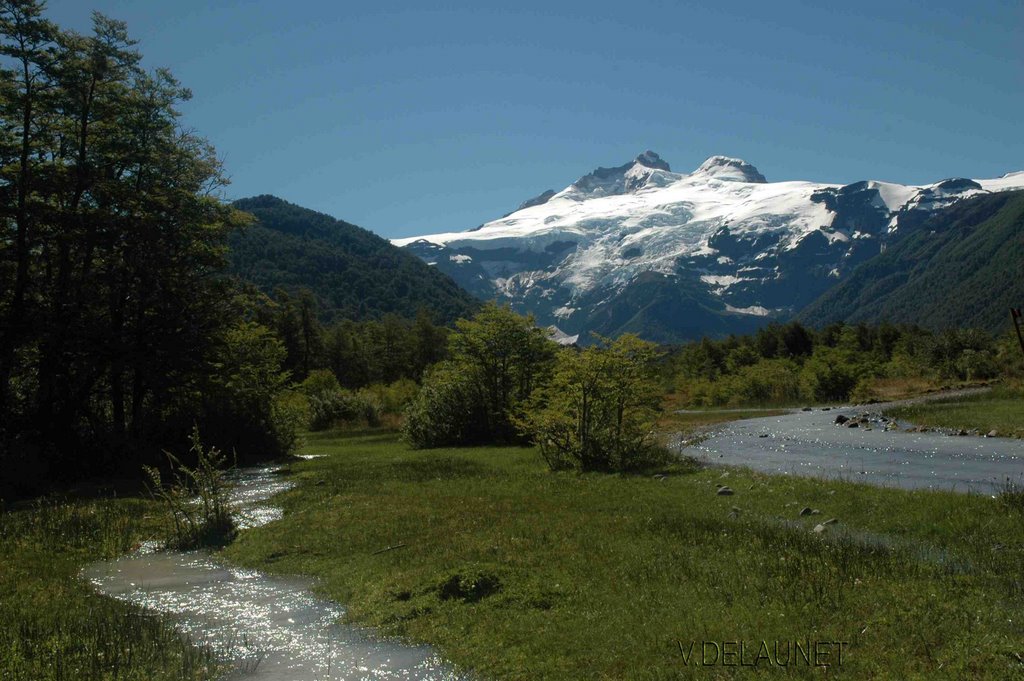
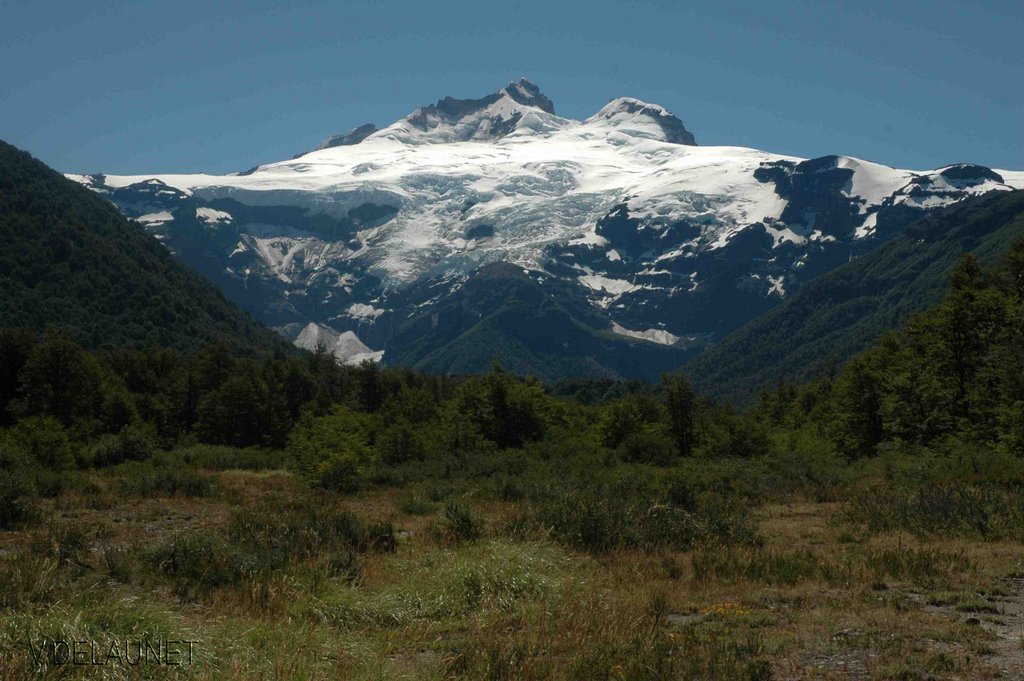
Suddenly its silhouette appears. Its summit attacks almost eyes, so much is bright the whiteness of the eternal snow and the glaciers which cover it compared with green meadows which spread out at its feet. It is the highest top of this area of the Cordillera, culminating at 3478 meters.

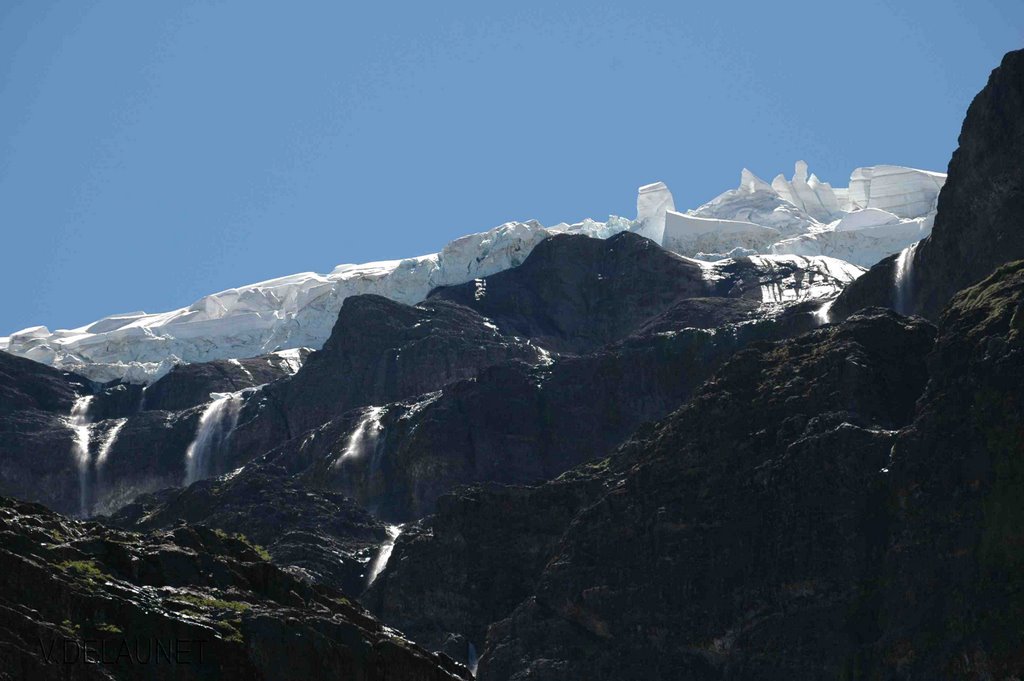
The frightened Spanishes who could hear its entrails roar gave its name to it. They were only the seracs from the glacier fall detached and precipitated in its crater by the rays of the sun. The Cerro Tronador is indeed a volcano.

The first colonists to have seen it are probably the missionaries Jesuits of the colony of the island of Chiloé, Chilean side. One of them, Father Mascardi, relates an Indian legend in his notes.

A very brave young Cacique, named Linco Nahuel, had posted sentinels on the watershed dominating the valley where lived his tribe, to prevent any invasion.

A tribe however, powerfully armed dwarf men, thwarted the traps he had set, and made captive, at the end of a bloody battle, men, women and children of the young chief tribe, which remained in life.

Linco Nahuel had, for his punishment, to assist impotent to survivors of his people massacre, precipitated in the volcano crater. He could not do anything else than pray the mountain Spirit, “el Pillán”.Thus a violent storm covered with snow indifferently vanquishers and defeated ones.
 Suddenly its silhouette appears. Its summit attacks almost eyes, so much is bright the whiteness of the eternal snow and the glaciers which cover it compared with green meadows which spread out at its feet. It is the highest top of this area of the Cordillera, culminating at 3478 meters.
 The frightened Spanishes who could hear its entrails roar gave its name to it. They were only the seracs from the glacier fall detached and precipitated in its crater by the rays of the sun. The Cerro Tronador is indeed a volcano.
 The first colonists to have seen it are probably the missionaries Jesuits of the colony of the island of Chiloé, Chilean side. One of them, Father Mascardi, relates an Indian legend in his notes.
 A very brave young Cacique, named Linco Nahuel, had posted sentinels on the watershed dominating the valley where lived his tribe, to prevent any invasion.
 A tribe however, powerfully armed dwarf men, thwarted the traps he had set, and made captive, at the end of a bloody battle, men, women and children of the young chief tribe, which remained in life.
 Linco Nahuel had, for his punishment, to assist impotent to survivors of his people massacre, precipitated in the volcano crater. He could not do anything else than pray the mountain Spirit, “el Pillán”.Thus a violent storm covered with snow indifferently vanquishers and defeated ones.