Showing posts with label Littoral Region - Pampa. Show all posts

Infinite Pampa (Canuelas)

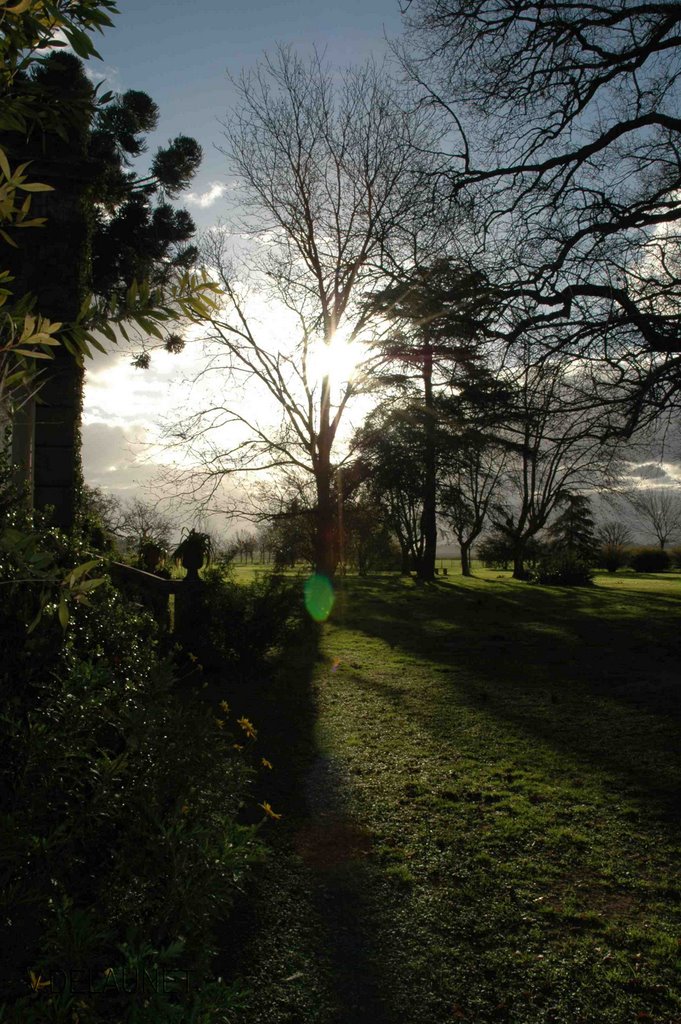
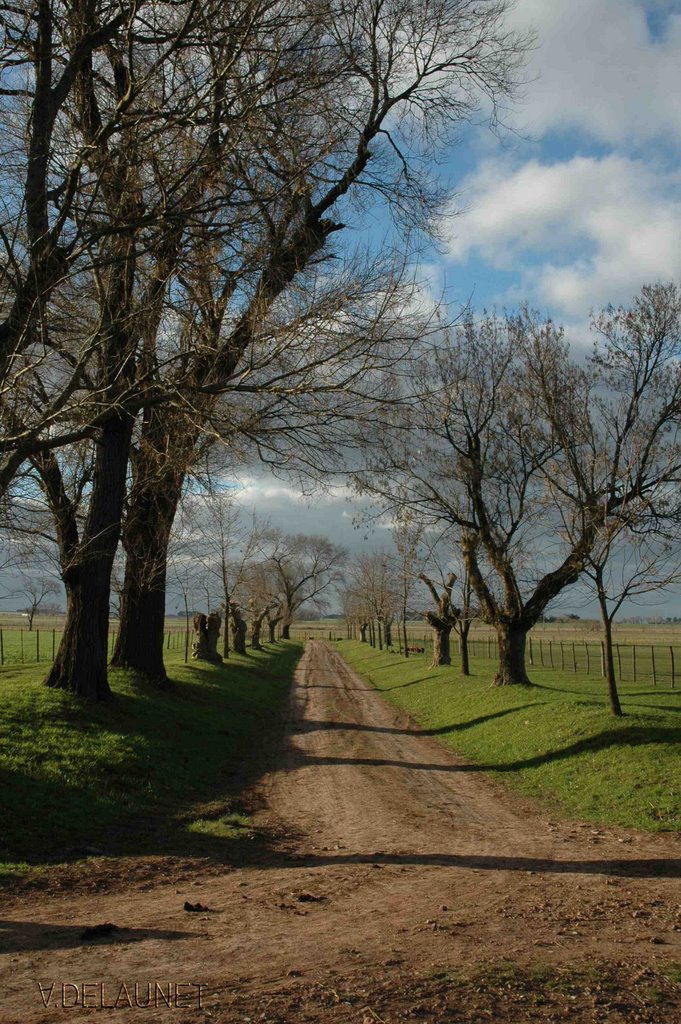
Borges said about Pampa it was "the unique place in the world where God could walk well off...". The author of the imaginary "biography of Taedo Isodoro Cruz" (Companion of the imaginary one too "Martin Fierro" by José Hernàndez), had really never seen the plains of Siberia in spite of his many voyages . But it is true that in this hopelessly smooth vastness, no obstacle stand between the eye and the horizon.
Except perhaps for the lines of eucalypti which border the long straight lines of the roads which traverse this grass ocean. Except for the innumerable wind mills which draw water necessary to the horses criollos (*) or to the herds of “holanda-argentina”, the most widespread species of cows imported from Holland and Switzerland. Except also for the telephone pole on which come to perch one moment the “caranchos” (birds of prey), or the “horneros” which got into the habit of building their mud made nests on wires. No, that are not either the poor “pueblos” without bell-towers, the names of which betraying the origin of their founder, which could stop the blustering “Pampero” or the " Sudestada” above the “llanura”. The air is sharp there in winter, pure in summer in spite of the heat which crushes men and animals when the winds finished blowing. A clear, limpid, and contrasted light floods this place of melancholy where only fellows being content with little, can survive the time which passes, slowly, invariably, identical at each hour, each day, each season : they are called the “gauchos” (*).
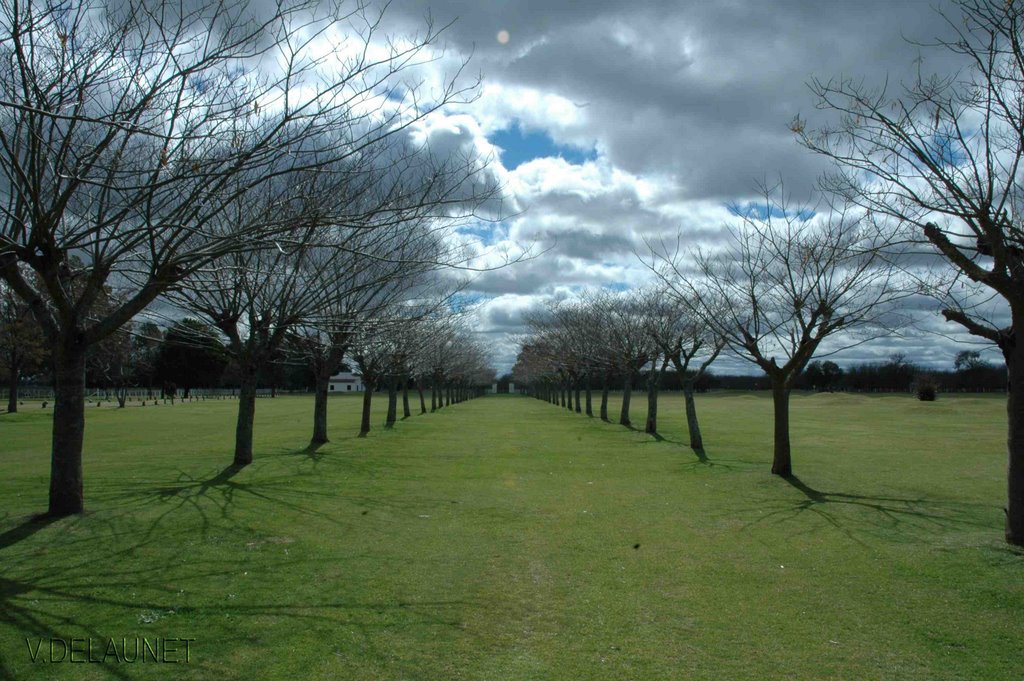
Pictures taken on the lands of the estancia La Figura
(*) articles to be published

Estancia Santa Rita (Lobos)

Such a megalomaniac delirium, the Ezcurra family's ex-house draws up its single tower upon the Pampa. Of an indefinable style, if it is not that of a Cocteau , it seems straight exit from the dreams of grandeur of a nouveau riche family of "estancieros”.It was Juan Ignacio de Ezcurra who ordered its construction around 1790 and in this humble residence, the gentle Encarnación, born on August 24, 1795, passed most of her childhood. Good family girl, she could not have another destiny except one of those who have money and power.He was only 2 years old more than her, almost to the very day, but already he had heard the gun sound. It was in 1806, at the time of the English landing, when he had joined the Company of the Cadets of the Regiment of Migueletes to defend Buenos Aires. 20 years old, he was at the head of the immense land of Laguna del Monte and had a great fortune. The young Encarnación and her parents were certainly not indifferent to that. She, anyway, understood very quickly what would be the destiny of Ortiz de Rozas, become thereafter Juan Manuel de Rosas (*), she married on March 16, 1813.
She knew very quickly too that he could need her if necessary. Thus, when the House of Deputies refused the exceptional powers to Rosas, and while he dashed off in the first expedition of the desert in 1833 to submit Indians of the South, she stayed in Buenos Aires to constantly inform him about the political situation evolution. Encarnación wrote one of the darkest pages of the history of Argentina to allow her husband to reach the supreme function.During his absence, she took the initiative, with Martín Santa Coloma and Ciriaco Cuitiño, chief of the police force, to set up a secret organization in order to fight Rosas opponents, the "Unitarists", by all the means. Known under the name of “Mazorca”, in connection with corn ear (*), this organization survived dead of Encarnación, on October 20, 1838 and continued its sad work to stand the authority of Juan Manuel Rosas self-proclaimed “tyrant” in 1842, and holder of full powers of the new Argentinian Confederation. The great man fell of his pedestal one day of 1852. Settlings of scores succeeded after executions: butchers of yesterday became gallows birds, and Rosas did not have any scruple to require asylum to Englishes he had fought a few years earlier.

(*)Juan Manuel de Rosas (1793-1877) soldier and Argentinian politician (Federalistic). 1st leader of the Argentinian Confederation between 1835 and 1852.

(**)some historians support the thesis that in fact it is the contraction the 2 words “mas” “Horca” what means: more brackets…

"Ferrocarriles Argentinos", searching for times lost.

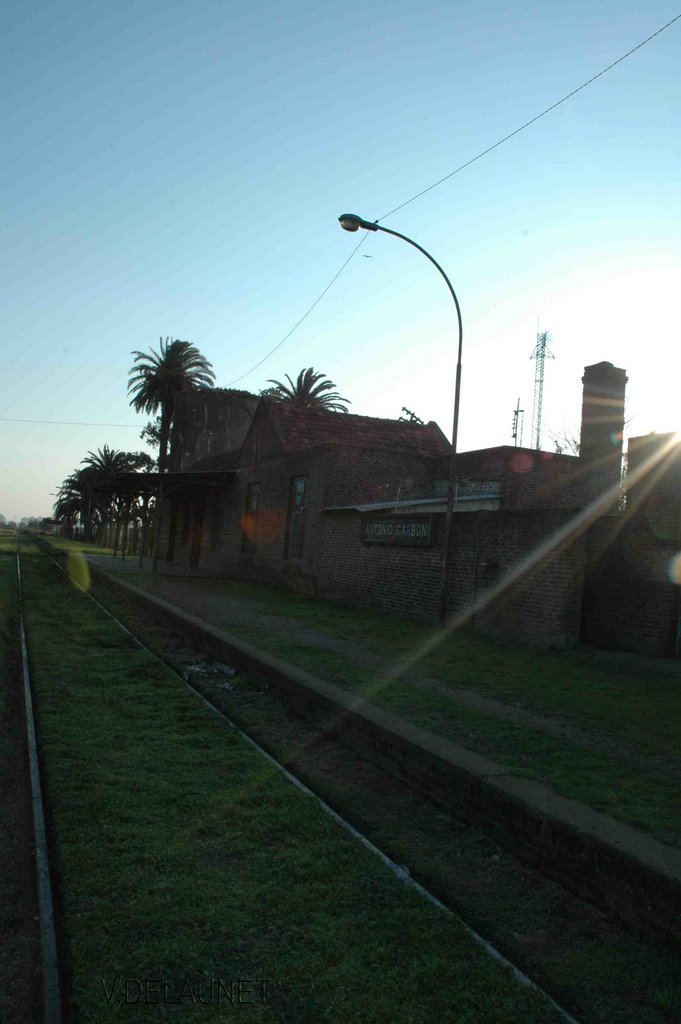
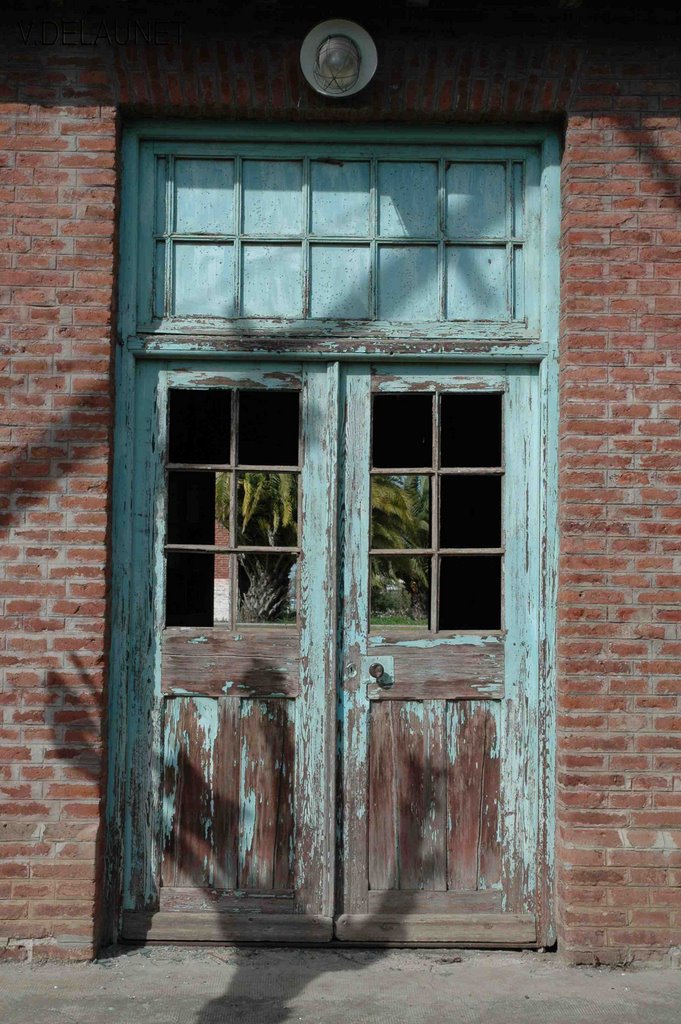
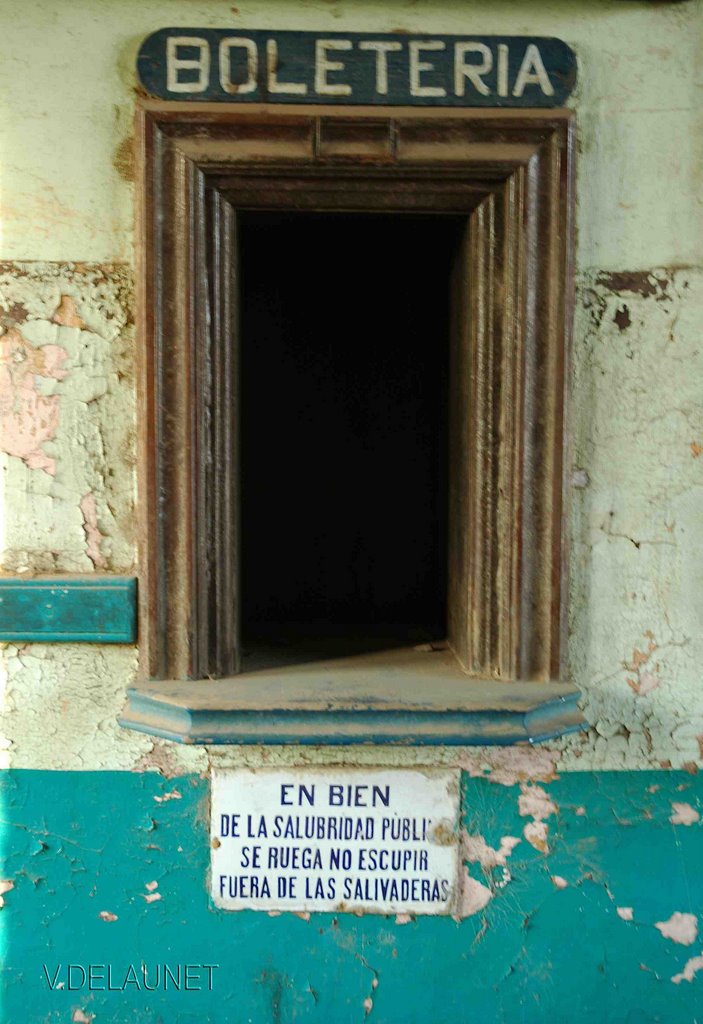
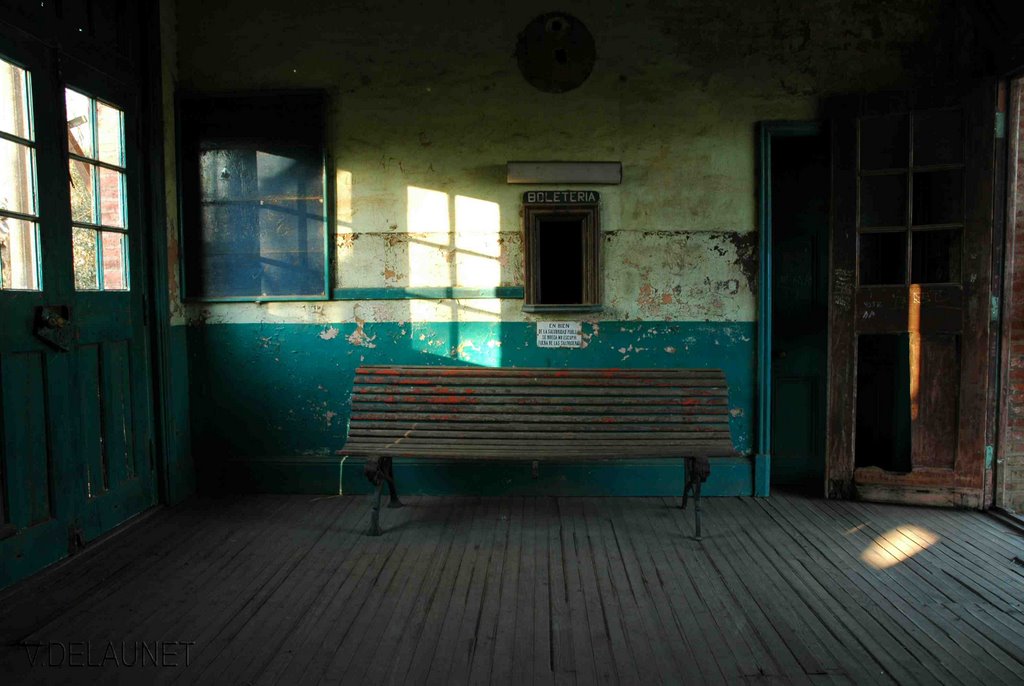
Last July, the Argentinian state invited bids to European companies, of which the French Alstom, for the realization of a high speed line between Buenos Aires and Rosario.Does this outburst mean that the politicians of this country take finally conscience of the importance of the train in a country where the plane and the bus supplant it for a long time?Will it be enough to make up for lost time? All had however started very well. On August 30, 1857, 32 years only after the startup of the first railway line of the world in England, Argentina inaugurated the line Buenos Aires- Floresta (10 kms). In 1880, it counted 2500 Kms from ways, 28000 in 1910, 40000 in 1930 and was placed then at the 3rd rank of the American continent behind the United States and Canada, holding 43% of the rail network of South America. Paradoxically, it is this constructor frenzy which precipitated the decline of the train. British, French or American companies to which had been allotted various concessions, engaged in an unrestrained competition thus never acted in concert to set up a homogeneous network as for the width of the ways. Was added to that the disinterest of the politicians after the 2nd world war. The travelling material became increasingly decayed and the network fell in fallow. The nationalization of the Argentinian railroads in 1965, ended with a chronic deficit representing more than 1% of the GDP. At the end of the Eighties, 55% of the ways were almost unusable. In 1991, the contrary decision was made, but privatization neither improved the state of the network nor that of the material. Some portions are today still in such a state (including in the Capital), that they oblige trains to roll in step to prevent that the ballast does not settle or that a bridge break down. Curiously however, the service continues, regular, punctual when it can be, to the last station of the last “pueblo” of the Pampa, for a long time unused…

Pictures of this article were taken at the village “Antonio Carboni”

Estancia El Ombu de Areco (San Antonio de Areco)

In 1994, President Carlos Saul Menem puts an end to the obligatory military service. His decision follows upon the death of the young recruit , Omar Carasco, in the Zapala quarter.The bill of conscription had been tabled in 1900, in the middle of frontier tension period with Chile, by Colonel Pablo Riccheri, Minister for the War, at the time of the second presidential mandate of Roca (1898-1904).At the end of long and animated debates between its partisans, among whom the veteran of the war of Paraguay, Colonel Jose Dantas, and its opponents, leaded by the General Alberto Capdevila, the law was approved on October 11, 1901 by the House of Deputies. It was promulgated on December 5 by the Senate with the n° 4031 putting an end to the in force National Guard system and thus concretizing article 21 of the Constitution which specified that “any citizen was obliged to take the weapons to defend the Constitution…” Riccheri had been born in 1859. Well graduated from the Military College in 1879 with the rank “Teniente Segundo”, he wished to perfect his knowledge and was sent to Europe to integrate the Superior School of War of Belgium. Immediately on his return, he knew a fulgurating rise within the Army. Before taking political responsibilities, he thus reached the supreme rank of Staff Chief of the Army. If his career was brilliant, Riccheri knew the pain to see his wife sinking into madness, for long years at a time before dying. While his only daughter succumbed to an appendicitis operation at the age of 12. Retired since 1918, he divided then his time between the residence which he had downtown, on Lavalle street, and the estancia “el Ombu de Areco” that he had made build in 1880. Recluse, melancholic, he died in 1936, honoured with the title of “teniente general”. Honoured but unhappy.
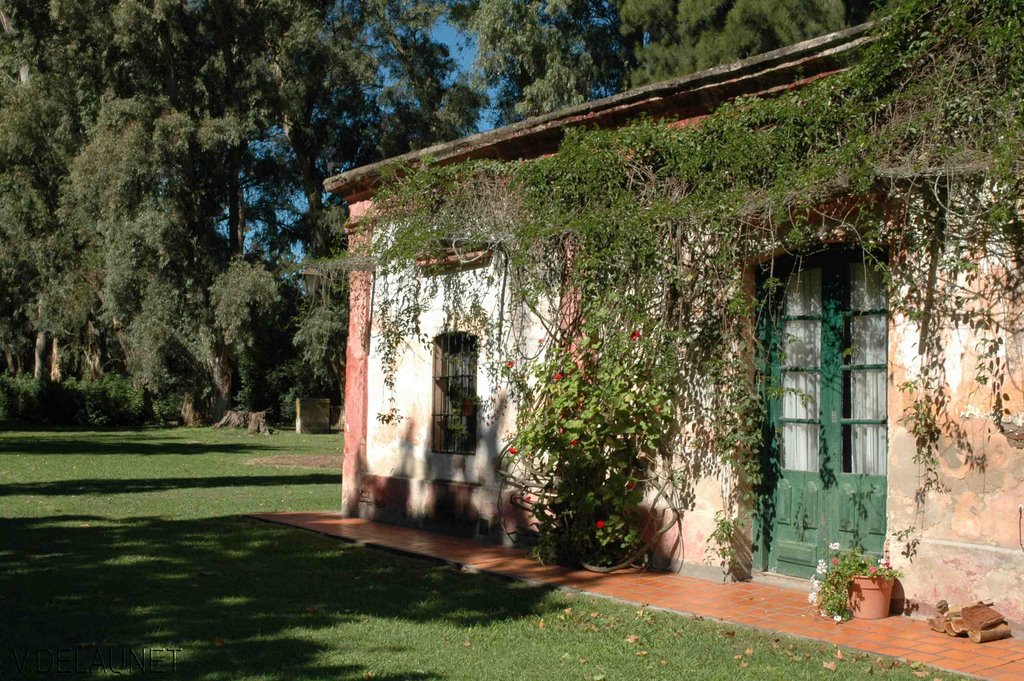
Estancia El Ombu de Areco
www.estanciaelombu.com
(00 54) 11 4710 2795

Discovery : San Antonio de Areco (Pcia de Bs As)

Placed under the protection of Saint Antoine de Padoue, the village of San Antonio de Areco honours his Patron saint, on June 13 of each year, but the most important festivities, those which drain the greatest number of tourists, take place in November at the time of the Week of the Traditions.
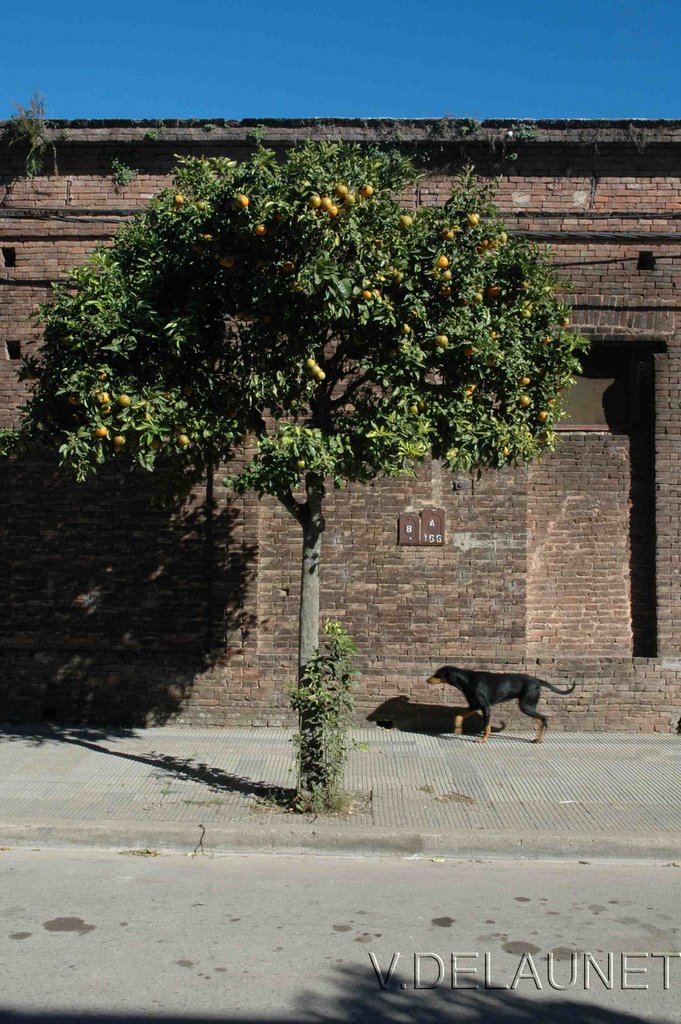
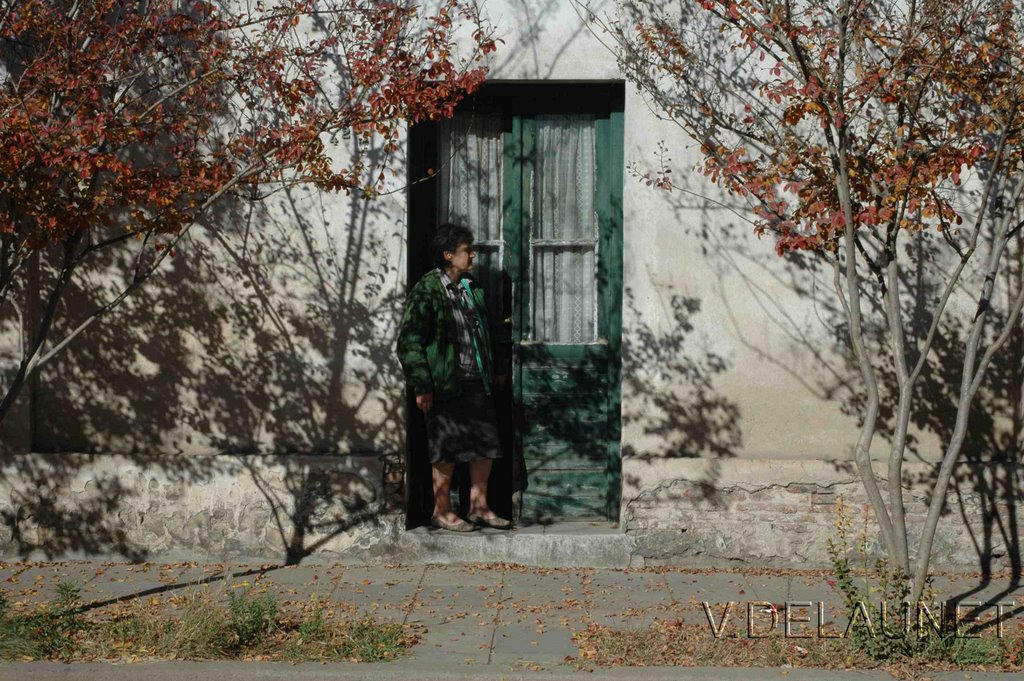
In this Sunday of May, first colds are felt. The sun, although low on the horizon, still heats the few passers one can crosse in streets. The others are at church, remain snuggling at home, or haunt “pulpérias” and others “almacenes”. The most visible are finally the dogs which go from one “esquina” to another, in the search of a caress.
Inaugurated in 1730 per Don Jose Ruiz de Arellano, San Antonio de Areco spread on a perfect checkerwork its houses on one level, of style neo-Renaissance, and perpetuates, by its brick frontages for most rustic, decorated planks worked for richest, the heart of the gaucho depicted by the child of the country, the writer Ricardo Güiraldes (Don Segundo Sombra, Cuentos de Muerte y Sangre)
Almacen = grocery.
Esquina = corner of street, angle of house bevelled.
Pulperia = bar where the gauchos met themselves.

Estancia la Bamba (San Antonio de A. - Pcia de Bs As)

120 kms from Buenos Aires to the west, close to the San Antonio de Areco traditional village (article to be published), on the pompously named "national road 31" (in reality a dirt track), at the end of an alley of ancient trees, you will find the estancia la Bamba.
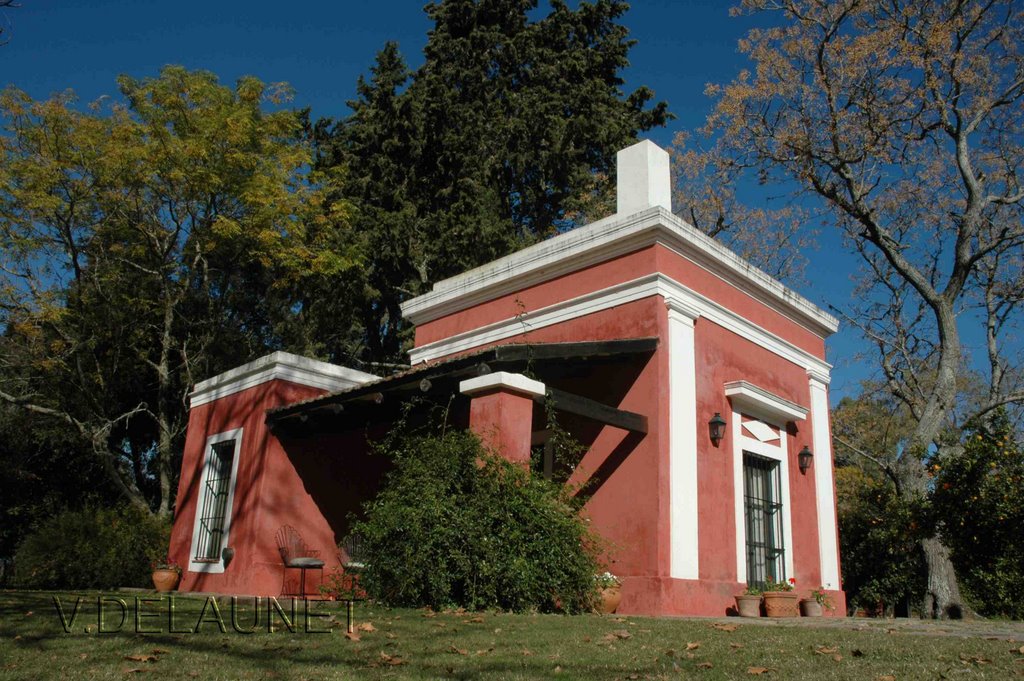
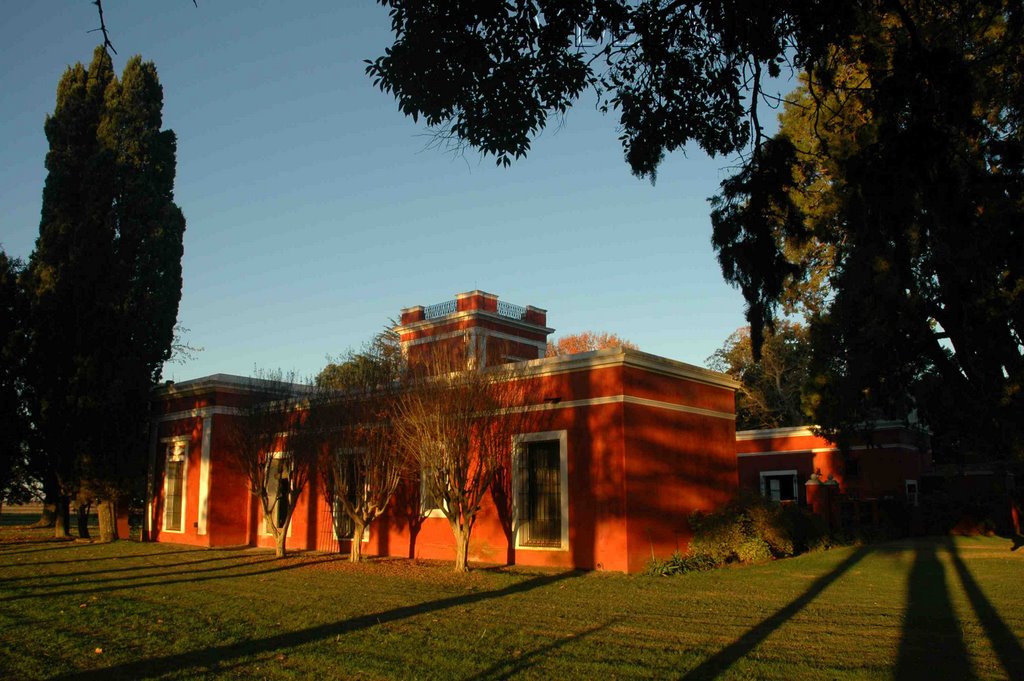
Like an oasis in the middle of the "pampa", the wood which surround the property sustain the relentless law of the winter : few green leaves which remain, fading from yellow to red.
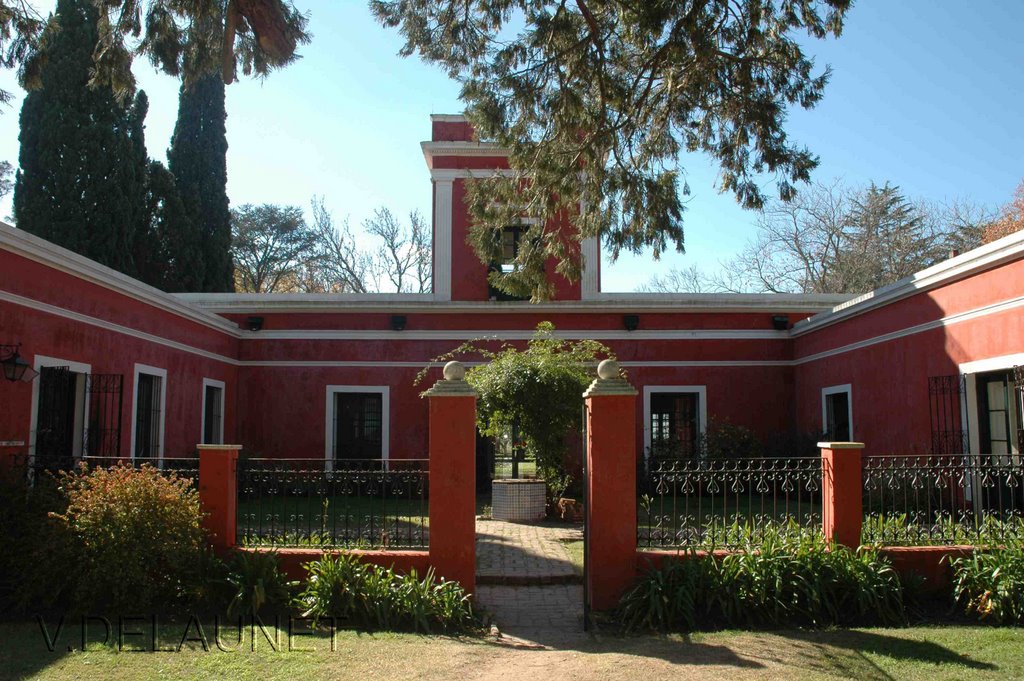
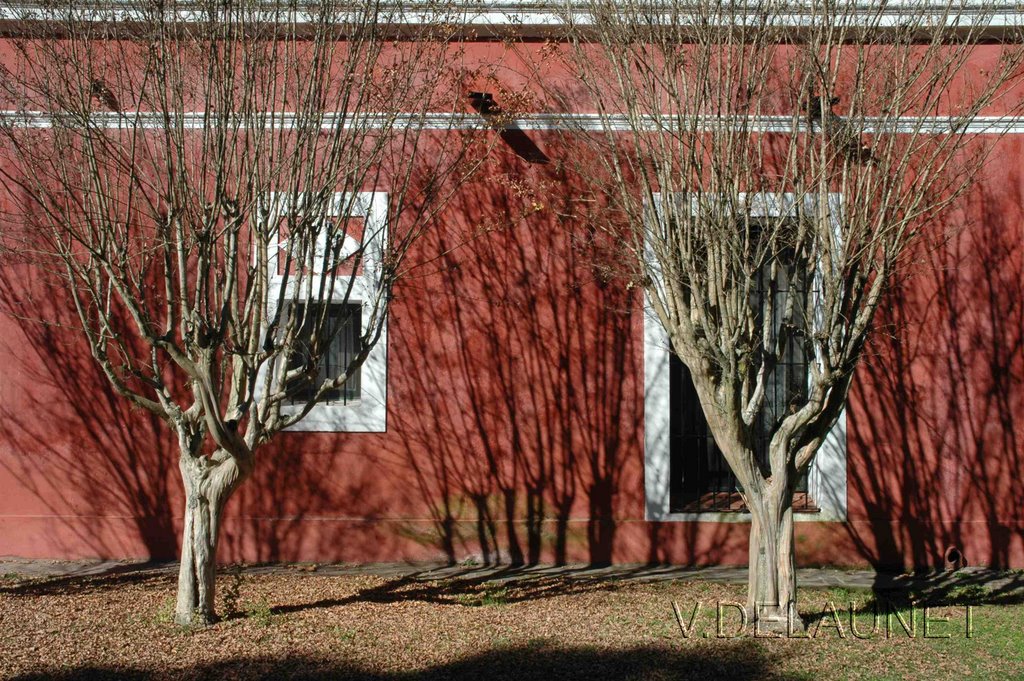
The darkred walls of the house, built in 1832 and outbuildings stands out against the domain's various tree species' colors.
In this season, whatever the hour of the day, and more still at twilight, the horizontal light sharpens the contrasts for the new Argentinian school's painters' greatest joy like Jorge Frasca. And for those who love photo...

Estancia La Bamba
www.la-bamba.com.ar
(00 54) 23 2645-6293

Estancia Los Talas (Lujan - Pcia de Bs As)

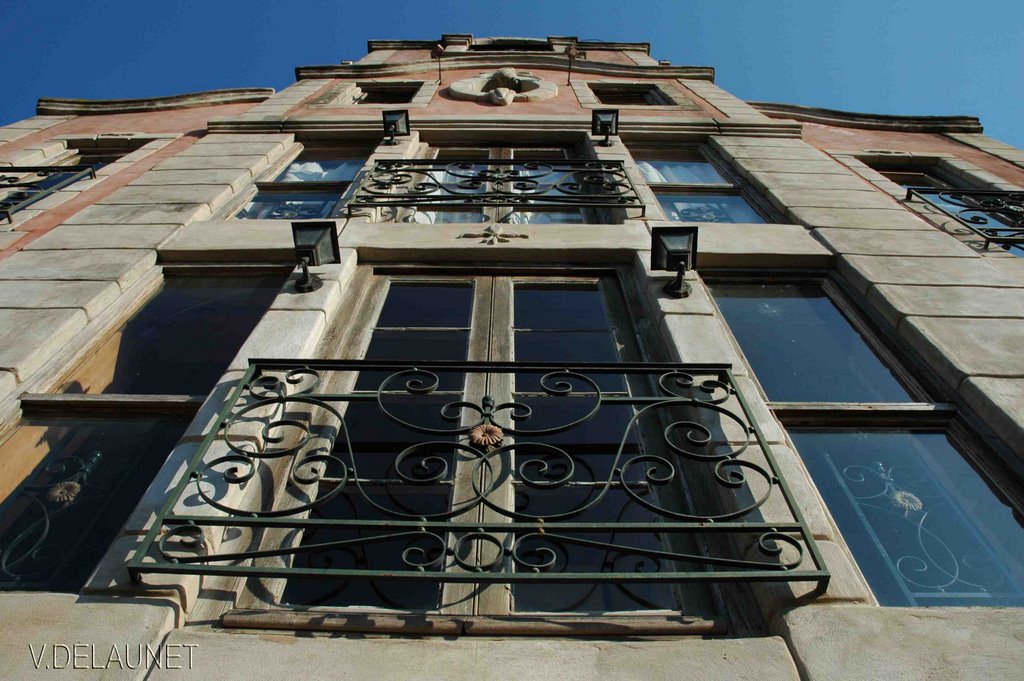
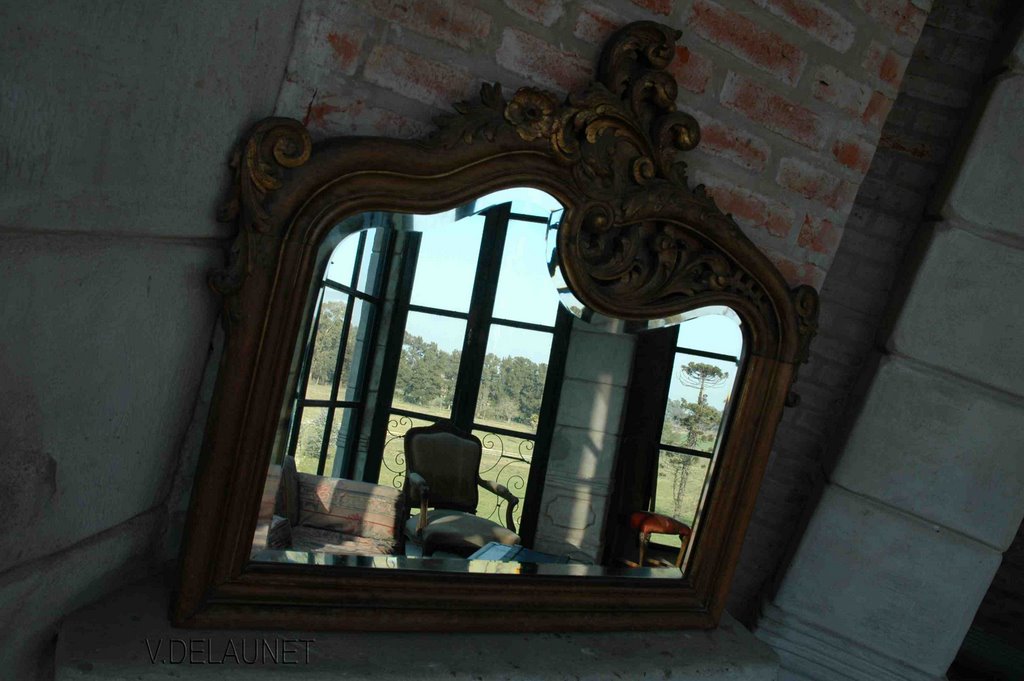
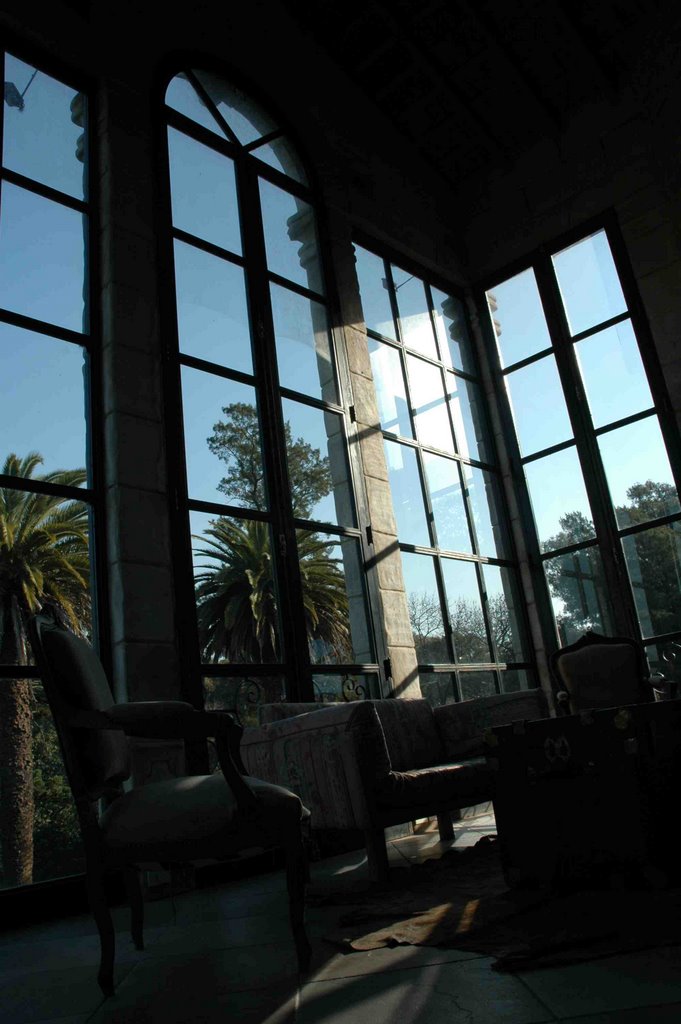
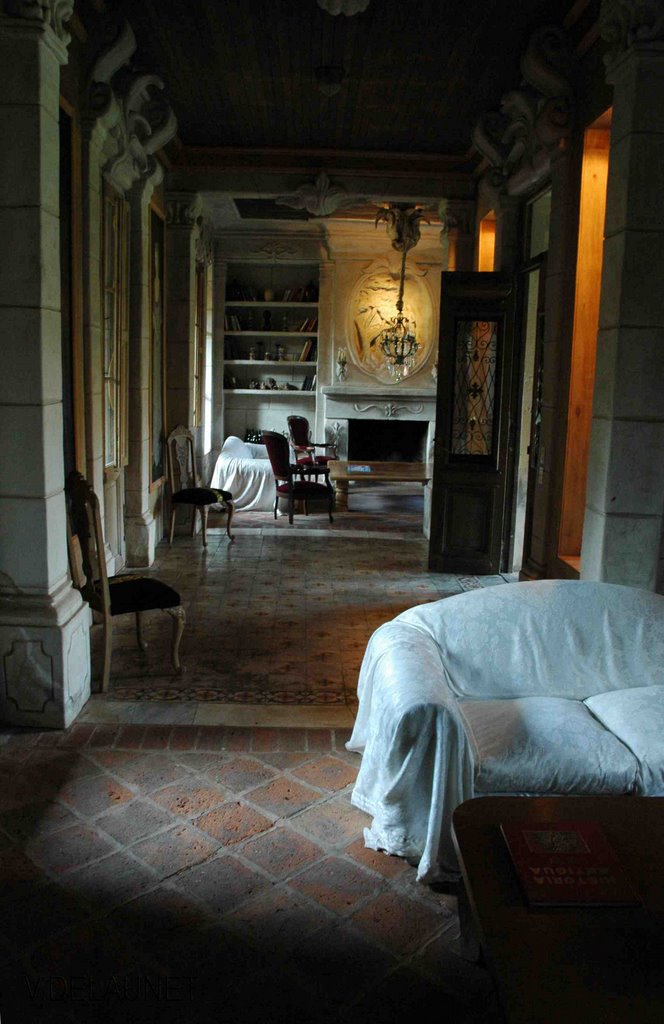
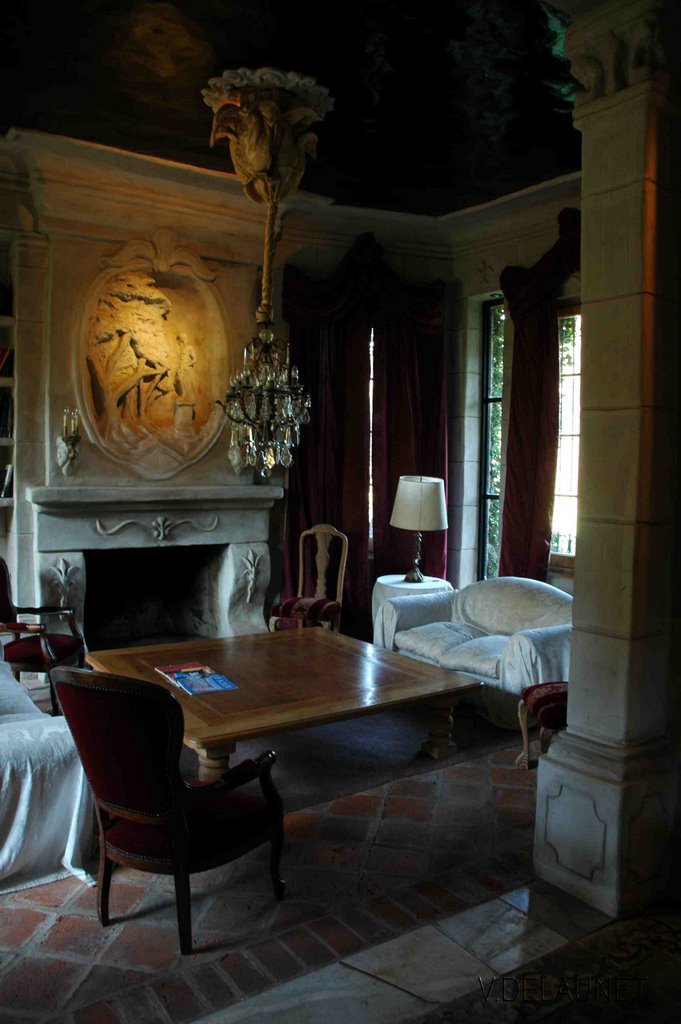
A few kilometres from Buenos Aires, in the middle of the Pampa, is an unimaginable place under this latitude: an old masonry of almost 2 centuries, kept by the same family which bought it in 1824. Its walls perspire the moisture of a vegetation which hiding place it covetousness of a world uncultivated and disrespectful of the treasures that it locks up: tables, sculptures without price, of tens of thousands of works dating, for some of XVIe century.
Only some scholars, come by far know the existence of it, and presented like estancia, it opens to some tourists who will have discovered it by chance. It is our case. To preserve its secrecy (and its safety), you will understand that we do not say any more...

Estancia Los Talas
(00 54) 23 2349-4995